

Hey there! I'm a supplier of Irregular Filter Bags, and I know how crucial it is to ensure the quality of these products. In this blog, I'll share some practical ways to test the quality of an irregular filter bag.
First off, let's understand what an irregular filter bag is. An Irregular Filter Bag is designed to meet specific and non - standard requirements in various industrial applications. Unlike standard filter bags, these are custom - made to fit unique dust collection systems.
Physical Inspection
The first step in testing the quality of an irregular filter bag is a thorough physical inspection. Start by checking the fabric. Run your hands over the surface to feel for any rough patches, holes, or unevenness. A high - quality filter bag should have a smooth and consistent texture. Any visible flaws like frayed edges or loose threads can indicate poor craftsmanship and may lead to premature failure of the bag.
Next, examine the seams. The seams are the weak points in a filter bag, so they need to be strong and well - stitched. Look for any signs of stitching coming loose or gaps in the seams. A good way to test this is to gently tug on the seams. If the stitching starts to come apart easily, it's a red flag.

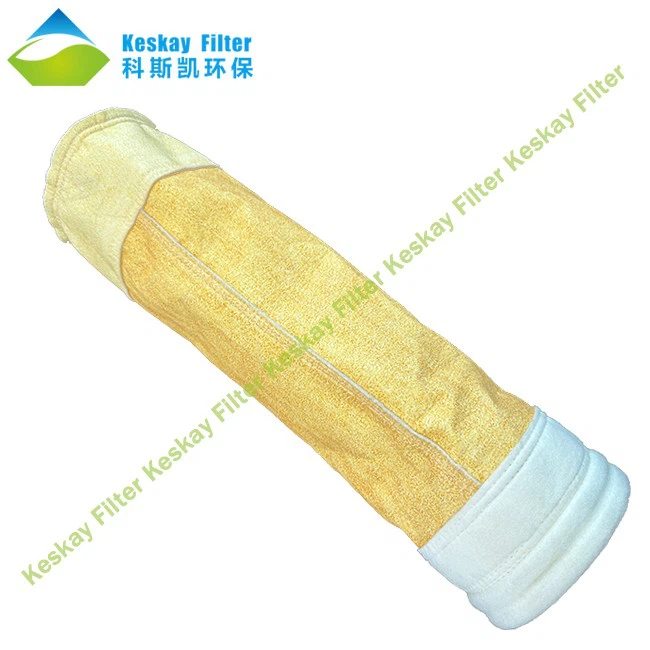
Also, check the shape of the filter bag. Since it's an irregular filter bag, it should match the design specifications exactly. Any deviations in shape can cause problems during installation and may affect the bag's performance. Measure the key dimensions of the bag using a measuring tape and compare them with the provided drawings.
Filtration Efficiency Test
One of the most important aspects of a filter bag is its filtration efficiency. There are a few ways to test this. One common method is the dust penetration test. You can use a dust generator to introduce a known amount of dust into the filter bag system. Then, measure the amount of dust that passes through the bag.
For this test, you'll need a particle counter. Place the particle counter downstream of the filter bag to measure the concentration of dust particles. Compare the dust concentration before and after the bag. A high - quality filter bag should have a low dust penetration rate, which means it can trap most of the dust particles effectively.
Another way to assess filtration efficiency is by looking at the pressure drop across the filter bag. As the bag collects dust, the pressure drop across it will increase. Monitor the pressure drop over time. A sudden increase in pressure drop may indicate that the bag is clogged or has a low - quality fabric that is not allowing air to pass through easily.
Material Testing
The material of the filter bag plays a significant role in its performance. Different materials are suitable for different applications. For example, P84 Filter Bag is known for its high - temperature resistance and excellent filtration performance in high - temperature environments. Acrylic Filter Bag is often used in applications where resistance to acids and alkalis is required.
To test the material quality, you can perform a chemical analysis. This can help you determine if the material has the right composition and properties. You can send a sample of the filter bag material to a laboratory for analysis. The lab can test for things like fiber content, chemical resistance, and thermal stability.
You can also do some simple in - house tests. For example, to test the chemical resistance of the material, you can expose a small piece of the filter bag to a relevant chemical for a certain period. Then, check for any signs of degradation, such as discoloration, swelling, or loss of strength.
Durability Test
A filter bag needs to be durable enough to withstand the harsh conditions in industrial environments. One way to test durability is the abrasion test. You can use an abrasion tester to rub the filter bag material against a rough surface for a set number of cycles. After the test, check the bag for any signs of wear and tear, such as thinning of the fabric or holes.
Another aspect of durability is the bag's resistance to moisture. In some applications, the filter bag may be exposed to high humidity or even water. You can test the bag's moisture resistance by exposing it to a humid environment for a period. Check for any signs of mold growth, mildew, or loss of strength due to moisture absorption.
Air Permeability Test
Air permeability is an important factor in the performance of a filter bag. It determines how easily air can pass through the bag while still trapping dust particles. To test air permeability, you can use an air permeability tester.
This tester measures the volume of air that passes through a given area of the filter bag under a specific pressure difference. A filter bag with the right air permeability will ensure efficient dust collection without causing excessive pressure drop.
Conclusion
Testing the quality of an irregular filter bag is a multi - step process that involves physical inspection, filtration efficiency testing, material testing, durability testing, and air permeability testing. By conducting these tests, you can ensure that the filter bag meets the required standards and will perform well in your industrial application.
If you're in the market for high - quality irregular filter bags and want to learn more about our products or have any questions regarding the quality testing process, feel free to reach out. We're always happy to assist you in finding the best filter bag solution for your needs. Contact us to start a procurement discussion, and let's work together to solve your dust collection problems.
References
- "Industrial Filtration Handbook" by Peter A. Schweitzer
- "Filtration and Separation Technology" by Klaus S. Berndt