

Hey there! As a supplier of PPS and PTFE filter bags, I've seen firsthand how these bad boys perform in high - velocity airflows. So, let's dive right in and talk about what makes them tick in such challenging conditions.
First off, let's understand what high - velocity airflows are all about. In industrial settings, high - velocity airflows are common. They can be found in places like power plants, cement factories, and metal processing facilities. These airflows move at a rapid pace, carrying all sorts of dust, debris, and pollutants. The filter bags in these systems have to work hard to capture these particles while still allowing the air to pass through efficiently.
Let's start with PPS (Polyphenylene Sulfide) filter bags. PPS is a synthetic polymer that has some pretty amazing properties. One of the key advantages of PPS filter bags in high - velocity airflows is their excellent chemical resistance. In many industrial processes, the air contains various corrosive gases and chemicals. PPS can withstand these harsh chemicals without degrading easily. This means that the filter bags can maintain their structural integrity over a long period, even when exposed to aggressive substances in the high - velocity airflow.
Another great thing about PPS filter bags is their high - temperature resistance. In high - velocity airflows, the air can get pretty hot, especially in processes like incineration or high - temperature manufacturing. PPS filter bags can handle temperatures up to around 204°C (400°F). This high - temperature tolerance allows them to function effectively in these hot environments without melting or losing their filtering capabilities.
When it comes to the filtration efficiency of PPS filter bags in high - velocity airflows, they do a pretty good job. The fibers in PPS filter bags are designed to trap dust particles of different sizes. The high - velocity airflow helps to push the dust particles towards the filter surface, where they get caught in the fiber matrix. However, it's important to note that in extremely high - velocity airflows, there is a risk of dust particles being re - entrained into the airflow. To mitigate this, proper bag design and installation are crucial.
Now, let's move on to PTFE (Polytetrafluoroethylene) filter bags. PTFE is well - known for its non - stick properties. This is a huge advantage in high - velocity airflows. When dust particles hit the PTFE filter bag surface, they don't stick as easily as they would to other materials. This means that the dust can be more easily removed during the cleaning process. In high - velocity airflows, where the dust loading can be high, the non - stick property of PTFE helps to prevent the filter bag from getting clogged quickly.
PTFE filter bags also have excellent chemical resistance, similar to PPS filter bags. They can resist a wide range of chemicals, including strong acids and bases. This makes them suitable for use in industries where the high - velocity airflow contains corrosive substances.
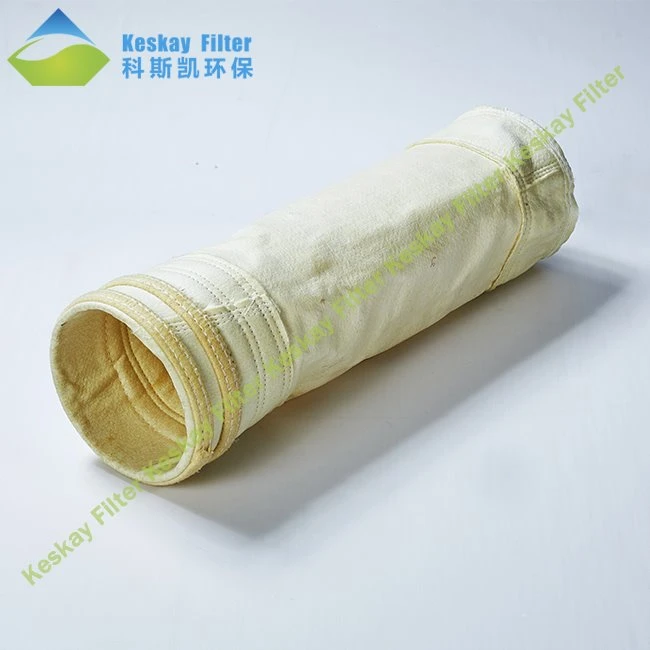

In terms of filtration efficiency, PTFE filter bags are top - notch. The surface filtration mechanism of PTFE allows for high - efficiency particle capture. The smooth surface of the PTFE membrane helps to capture dust particles on the surface rather than allowing them to penetrate deep into the filter media. This results in a more efficient filtration process, especially in high - velocity airflows where a large volume of air needs to be filtered quickly.
However, PTFE filter bags can be a bit more expensive than PPS filter bags. But considering their superior performance in high - velocity airflows, especially in terms of dust release and long - term durability, the investment can be well worth it.
Now, let's talk about some of the design aspects that are important for both PPS and PTFE filter bags in high - velocity airflows. The bag's construction plays a big role. For example, Folded And Pleated Bag designs can increase the surface area available for filtration. This is beneficial in high - velocity airflows because it allows more air to pass through the filter bag while still maintaining a high filtration efficiency.
The choice of filter bag also depends on the specific application. If the high - velocity airflow contains a lot of abrasive particles, a Ceramic Filter Bag might be a better option in some cases. Ceramic filter bags are extremely durable and can withstand high - velocity, abrasive airflows. On the other hand, if the main concern is chemical resistance and high - temperature tolerance, PPS or PTFE filter bags are probably the way to go.
In addition, aramid filter bags, like the ones you can learn more about at Aramid Filter Bag, also have their own unique properties. They offer good strength and heat resistance, and in some high - velocity airflow applications, they can be a viable alternative to PPS and PTFE filter bags.
When installing PPS and PTFE filter bags in high - velocity airflow systems, proper tensioning is essential. If the bags are not properly tensioned, they can flutter in the high - velocity airflow, which can lead to premature wear and reduced filtration efficiency. Also, the spacing between the bags needs to be carefully considered. Adequate spacing allows for proper airflow distribution and prevents dust from building up between the bags.
Maintenance is another important aspect. Regular inspection of the filter bags is necessary to detect any signs of damage or wear. In high - velocity airflows, the bags are under more stress, so they may require more frequent inspections. Cleaning the filter bags at the right intervals is also crucial. For PTFE filter bags, because of their non - stick properties, they can often be cleaned more easily compared to other types of filter bags.
In conclusion, both PPS and PTFE filter bags have their own strengths when it comes to performing in high - velocity airflows. PPS filter bags offer good chemical and high - temperature resistance, while PTFE filter bags excel in dust release and surface filtration. The choice between the two depends on the specific requirements of the application, such as the nature of the dust, the temperature and chemical composition of the airflow, and the budget.
If you're in the market for high - quality PPS and PTFE filter bags for your high - velocity airflow systems, don't hesitate to reach out. We're here to help you find the best solution for your specific needs. Whether it's determining the right bag design, ensuring proper installation, or providing ongoing maintenance support, we've got you covered.
References
- Industrial Filtration Handbook: A Guide to Filtration Technology, Various Authors
- Journal of Air Pollution Control, Multiple Issues
- Proceedings of International Conferences on Air Filtration and Separation Technologies