

What is the installation position of a pulse valve?
As a trusted supplier of Pulse Valve, I've encountered numerous inquiries regarding the optimal installation position of these crucial components. In this blog, I'll delve into the factors that influence the installation position of a pulse valve and provide insights to help you make informed decisions.
Understanding the Pulse Valve
Before discussing the installation position, it's essential to understand what a pulse valve is and how it functions. A pulse valve is a key component in dust collection systems, specifically designed to control the flow of compressed air. When triggered by a Pulse Controller, the pulse valve releases a short, high - pressure burst of air into the filter bags or cartridges, dislodging the accumulated dust and allowing it to fall into the hopper for collection.
Factors Affecting the Installation Position
1. Proximity to the Filter Bags or Cartridges
The pulse valve should be installed as close as possible to the filter bags or cartridges. A shorter distance between the valve and the filter media reduces the pressure drop of the compressed air during its travel. When the compressed air has to travel a long distance, it loses energy, resulting in a weaker pulse that may not effectively clean the filters. For example, in a large - scale industrial dust collector with multiple rows of filter bags, keeping the pulse valve adjacent to each set of bags ensures that the full force of the air pulse reaches the filters, maintaining their efficiency.
2. Orientation for Optimal Air Distribution
The orientation of the pulse valve is also critical. It should be installed in a way that allows for even distribution of the compressed air over the filter media. Most pulse valves are designed to release the air in a specific pattern. For instance, some valves are engineered to create a cone - shaped air dispersion. Mounting the valve at the correct angle and height ensures that this air pattern covers the entire surface area of the filter bags or cartridges. If the valve is misaligned, certain areas of the filters may not receive sufficient cleaning, leading to uneven dust accumulation and premature filter failure.
3. Accessibility for Maintenance
Installing the pulse valve in an accessible location is vital for maintenance and replacement. Over time, pulse valves may require periodic inspections, cleaning, or replacement of parts, such as diaphragms or solenoids. Having easy access to these valves simplifies maintenance tasks and reduces downtime. You should consider the layout of the dust collection system and ensure that there is enough space around the valves for technicians to work safely. Additionally, placing the valves in an area that is not obstructed by other equipment makes it easier to reach the Pulse Valse Spare Parts when needed.
4. Protection from the Environment
The installation position should also protect the pulse valve from environmental factors. Excessive heat, moisture, dust, or corrosive substances can damage the valve components and shorten their lifespan. In industrial settings where there may be high levels of heat or chemical exposure, it's advisable to install the pulse valves in an enclosed cabinet or shielded area. For outdoors applications, using weather - proof enclosures can safeguard the valves from rain, snow, and UV radiation.
Common Installation Positions
1. On the Blowpipe
One of the most common installation positions for pulse valves is directly on the blowpipe. The blowpipe is a pipe that distributes the compressed air from the pulse valve to the individual filter bags or cartridges. Mounting the valve on the blowpipe allows for a direct and efficient transfer of the compressed air. The valve can be attached to the blowpipe using appropriate fittings and brackets, and the air is then released through nozzles or orifices in the blowpipe, targeting the filter media.
2. In a Header Assembly
In some dust collection systems, pulse valves are installed in a header assembly. A header is a large pipe or manifold that collects and distributes the compressed air from a central source to multiple pulse valves. This configuration is often used in systems with a large number of filter bags or cartridges, as it allows for a more organized and efficient distribution of the compressed air. The header assembly can be designed to accommodate multiple valves, and each valve can be independently controlled by the pulse controller.

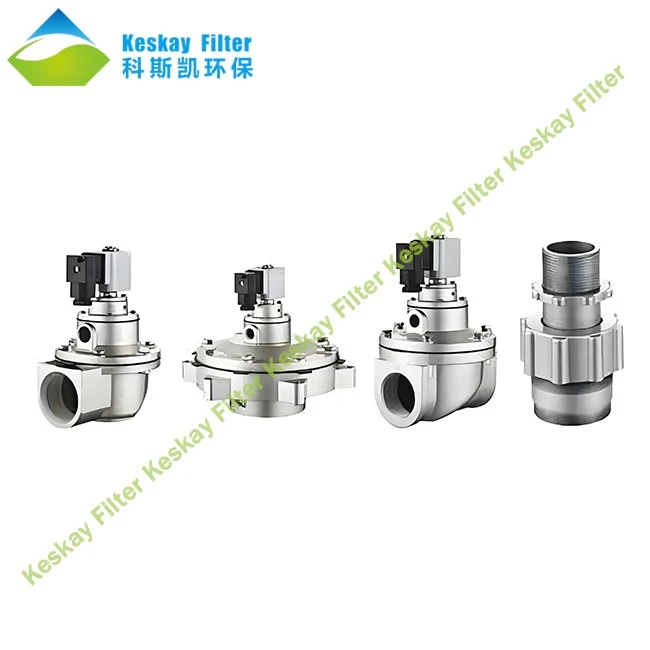
Installation Best Practices
When installing a pulse valve, it's important to follow some best practices. First, ensure that all connections are tight and leak - free. A leak in the compressed air system can reduce the efficiency of the pulse valve and waste energy. Use proper sealing materials, such as gaskets or O - rings, at all connection points.
Second, calibrate the pulse controller correctly. The settings of the pulse controller, such as the pulse duration and interval, should be adjusted according to the specific requirements of the dust collection system. Incorrect calibration can lead to either insufficient or excessive cleaning of the filters, affecting their performance and lifespan.
Third, perform regular inspections of the installation. Check for any signs of wear, damage, or blockage in the pulse valve, blowpipe, and other related components. Early detection of issues can prevent major breakdowns and costly repairs.
The Importance of Correct Installation
The correct installation position of a pulse valve has a significant impact on the overall performance of the dust collection system. A well - installed valve ensures efficient cleaning of the filter media, which in turn improves the air quality in the working environment and reduces the risk of equipment damage. It also helps to extend the lifespan of the filters, reducing operating costs associated with filter replacement.
Contact for Purchase and Consultation
If you are in the market for high - quality Pulse Valve, Pulse Controller, or Pulse Valse Spare Parts, we are here to assist you. Our experienced team can provide you with expert advice on the installation position and other technical aspects to ensure that your dust collection system operates at its best. Whether you are a small - scale workshop or a large industrial facility, we have the right solutions for your needs. Contact us today to discuss your requirements and start a mutually beneficial business partnership.
References
- "Dust Collection Handbook" by Industrial Ventilation Association
- Technical manuals of leading pulse valve manufacturers