

Hey there! As a PTFE fabric supplier, I get a ton of questions from folks looking to choose the right PTFE fabric for their projects. It can be a bit of a head - scratcher, but don't worry, I'm here to break it down for you.
What's PTFE Fabric Anyway?
First things first, let's talk about what PTFE fabric is. PTFE stands for Polytetrafluoroethylene, which is a synthetic fluoropolymer of tetrafluoroethylene. In simpler terms, it's a super - tough and versatile material. PTFE fabric is made by coating fiberglass fabric with PTFE resin. This combination gives it some amazing properties. It's heat - resistant, non - stick, chemical - resistant, and has a high level of electrical insulation.
Consider Your Project's Requirements
The very first step in choosing the right PTFE fabric is to understand your project's specific needs.
Temperature Requirements
If your project involves high temperatures, you need a PTFE fabric that can handle the heat. PTFE fabrics can typically withstand temperatures ranging from - 70°C to 260°C. For example, if you're working on an industrial oven lining, you'll need a fabric that can handle continuous high - temperature exposure without degrading.
Chemical Exposure
Think about what chemicals your fabric will come into contact with. PTFE is known for its excellent chemical resistance, but different grades of PTFE fabric may have varying levels of resistance to specific chemicals. If your project involves contact with strong acids or alkalis, make sure to choose a fabric with high chemical resistance.
Mechanical Stress
How much wear and tear will the fabric endure? If your project involves a lot of movement or friction, you'll need a PTFE fabric with good mechanical strength. Some fabrics are reinforced to provide extra durability in high - stress applications.
Types of PTFE Fabrics
There are different types of PTFE fabrics available, and each has its own unique features.
Standard PTFE Coated Fiberglass Fabric
This is the most common type. It's great for general - purpose applications like conveyor belts, heat - sealing machines, and electrical insulation. It offers a good balance of heat resistance, non - stick properties, and mechanical strength.
Antistatic PTFE Fabric
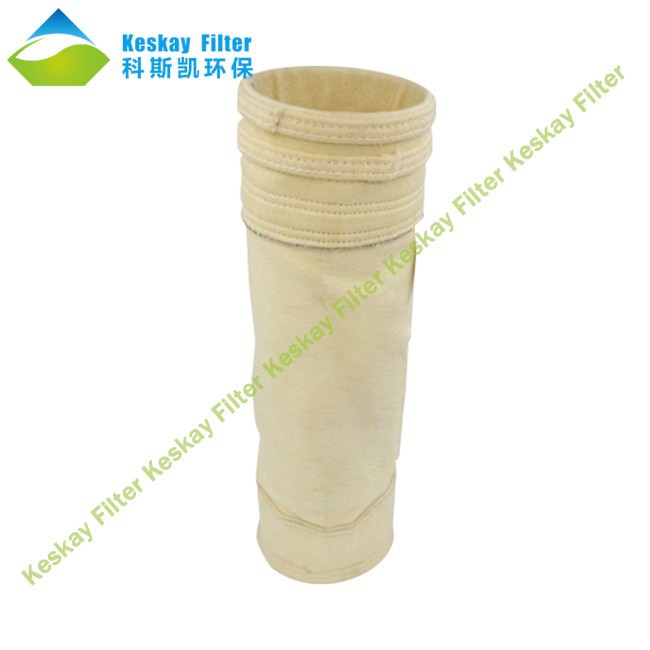
If static electricity is a concern in your project, you might want to consider an Antistatic Nonwoven Fabric. This type of fabric is treated to reduce static buildup, which can be important in industries like electronics manufacturing or powder handling.

High - Temperature PTFE Fabric
For projects that require extreme heat resistance, high - temperature PTFE fabric is the way to go. It can withstand even higher temperatures than standard PTFE fabrics and is often used in aerospace and high - end industrial applications.
Thickness and Weight
The thickness and weight of the PTFE fabric also play a crucial role in its performance.
Thickness
Thicker fabrics generally offer more durability and better insulation. However, they may also be less flexible. If your project requires a fabric to be wrapped around objects or bent easily, a thinner fabric might be more suitable.
Weight
The weight of the fabric is usually measured in grams per square meter (gsm). Heavier fabrics are typically more robust and can handle more stress. Lighter fabrics are more flexible and may be a better choice for applications where weight is a concern, such as in some aerospace projects.
Surface Finish
The surface finish of the PTFE fabric can affect its performance in different ways.
Smooth Finish
A smooth - finished PTFE fabric has excellent non - stick properties, making it ideal for applications where materials need to slide easily off the surface, like in food processing equipment or conveyor belts.
Textured Finish
Textured PTFE fabrics provide better grip, which can be useful in applications where you need to prevent slippage, such as in some industrial machinery.
Cost Considerations
Of course, cost is always a factor. Higher - performance PTFE fabrics, such as those with extreme heat resistance or special treatments, will generally cost more. You need to balance your project's requirements with your budget. Sometimes, a standard PTFE fabric may be sufficient for your needs, while in other cases, you may need to invest in a more expensive, high - end fabric.
Compatibility with Other Materials
Think about how the PTFE fabric will interact with other materials in your project. If it needs to be bonded to another material, make sure the fabric is compatible with the bonding method and the other material. For example, if you're using the fabric in a composite structure, ensure that it adheres well to the other components.
Quality and Certification
When choosing a PTFE fabric, it's important to consider the quality and certification. Look for fabrics that meet industry standards, such as ISO or ASTM standards. These certifications ensure that the fabric has been tested and meets certain quality and performance criteria.
Where to Source PTFE Fabric
As a PTFE fabric supplier, I can tell you that it's crucial to source your fabric from a reliable supplier. A good supplier will be able to provide you with detailed information about the fabric's properties, help you choose the right fabric for your project, and offer technical support.
Case Studies
Let's take a look at a couple of real - world examples to see how the right PTFE fabric selection can make a difference.
Food Processing Industry
A food processing company was having issues with food sticking to their conveyor belts, which led to inefficiencies and increased cleaning time. They switched to a PTFE fabric with a smooth finish, and the problem was solved. The non - stick surface allowed the food products to slide easily off the conveyor, reducing downtime and improving productivity.
Electronics Manufacturing
An electronics manufacturer was experiencing static - related problems during the assembly process. They replaced their regular workbench covers with Antistatic Nonwoven Fabric, which eliminated static buildup and reduced the risk of damage to sensitive electronic components.
Conclusion
Choosing the right PTFE fabric for your project is all about understanding your project's requirements, considering the different types of fabrics available, and factoring in cost and quality. Whether you're working on an industrial application, a consumer product, or a high - tech project, there's a PTFE fabric out there that's perfect for you.
If you're still unsure about which PTFE fabric is right for your project, don't hesitate to reach out. I'm here to help you make the best choice. We can discuss your specific needs in detail and find the perfect fabric solution for you.
References
- "Handbook of Fluoropolymer Science and Technology"
- Industry reports on PTFE fabric applications