

Hey there! If you're into the industry of dust filtration, you probably know how crucial PTFE dust filter bags are. As a PTFE dust filter bag supplier, I've seen firsthand how optimizing the performance of these bags can significantly impact the efficiency and longevity of dust collection systems. So, let's dive into some practical tips on how to get the most out of your PTFE dust filter bags.
Understanding PTFE Dust Filter Bags
First things first, PTFE, or polytetrafluoroethylene, is a synthetic fluoropolymer known for its remarkable chemical resistance, high-temperature stability, and low friction coefficient. These properties make PTFE an ideal material for dust filter bags, as they can withstand harsh environments and capture fine dust particles effectively.
One of the main advantages of PTFE dust filter bags is their excellent filtration efficiency. They can capture particles as small as 0.1 microns, which is crucial for industries that require high-quality air purification, such as pharmaceuticals, food processing, and semiconductor manufacturing.
Proper Installation
The first step to optimizing the performance of your PTFE dust filter bag is to ensure proper installation. A poorly installed filter bag can lead to air leaks, reduced filtration efficiency, and premature bag failure.
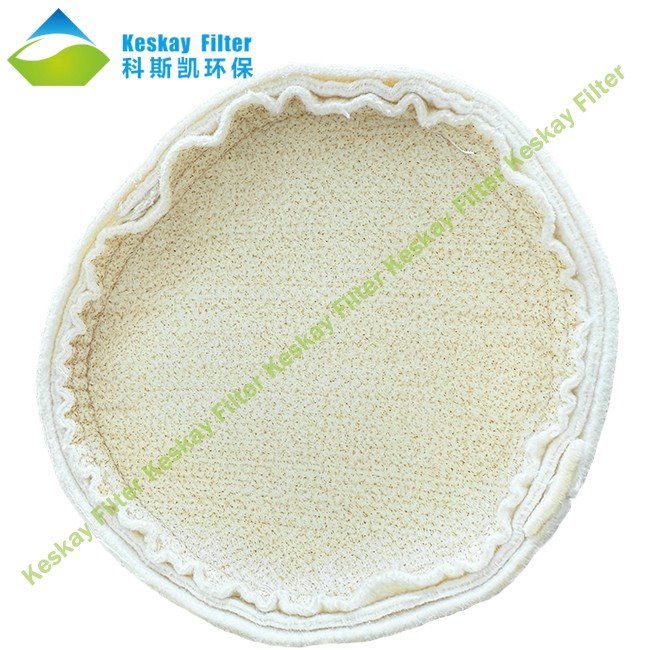

When installing the filter bag, make sure it is properly seated in the filter housing. Check the gaskets and seals to ensure they are in good condition and provide a tight fit. Also, make sure the bag is not twisted or kinked, as this can restrict air flow and reduce filtration efficiency.
Another important factor to consider during installation is the tension of the filter bag. If the bag is too loose, it may sag and cause air bypass, while if it is too tight, it may cause excessive stress on the bag and lead to premature failure. Follow the manufacturer's recommendations for the proper tensioning of the filter bag.
Regular Cleaning and Maintenance
Regular cleaning and maintenance are essential for keeping your PTFE dust filter bag in top condition. Over time, dust and debris can accumulate on the surface of the filter bag, reducing its filtration efficiency and increasing the pressure drop across the bag.
The frequency of cleaning depends on several factors, such as the type of dust, the concentration of dust in the air, and the operating conditions of the dust collection system. In general, it is recommended to clean the filter bag at least once a month, or more frequently if the dust load is high.
There are several methods for cleaning PTFE dust filter bags, including pulse jet cleaning, reverse air cleaning, and sonic cleaning. Pulse jet cleaning is the most common method, as it is effective and relatively easy to implement. During pulse jet cleaning, a burst of compressed air is injected into the filter bag, causing the dust to dislodge from the surface of the bag and fall into the hopper.
In addition to regular cleaning, it is also important to inspect the filter bag regularly for signs of wear and tear. Look for holes, tears, or other damage to the bag, as these can reduce its filtration efficiency and lead to premature failure. If you notice any damage to the filter bag, replace it immediately.
Optimal Operating Conditions
The operating conditions of the dust collection system can also have a significant impact on the performance of the PTFE dust filter bag. Here are some key factors to consider:
- Temperature: PTFE dust filter bags can withstand high temperatures, but prolonged exposure to extreme temperatures can cause the bag to degrade and reduce its filtration efficiency. Make sure the operating temperature of the dust collection system is within the recommended range for the PTFE filter bag.
- Humidity: High humidity can cause the dust to stick to the surface of the filter bag, reducing its filtration efficiency and increasing the pressure drop across the bag. If the humidity is high, consider using a dehumidifier or installing a pre - filter to remove moisture from the air before it enters the dust collection system.
- Air Velocity: The air velocity through the filter bag should be within the recommended range. If the air velocity is too high, it can cause excessive wear on the filter bag and reduce its filtration efficiency. If the air velocity is too low, it can cause dust to accumulate on the surface of the bag and reduce the overall performance of the dust collection system.
Choosing the Right Filter Bag
Selecting the right PTFE dust filter bag for your application is crucial for optimizing its performance. Here are some factors to consider when choosing a filter bag:
- Filtration Efficiency: Different PTFE filter bags have different filtration efficiencies. Choose a filter bag with a filtration efficiency that meets your specific requirements.
- Temperature Resistance: Consider the operating temperature of your dust collection system and choose a PTFE filter bag that can withstand the temperature.
- Chemical Resistance: If the dust contains chemicals or corrosive substances, choose a PTFE filter bag with high chemical resistance.
In addition to PTFE dust filter bags, we also offer other types of filter bags, such as Aramid Filter Bag, Easy Clean Needle Felt Filter Bag, and Ceramic Filter Bag. Each type of filter bag has its own unique properties and is suitable for different applications. If you're not sure which type of filter bag is right for you, feel free to contact us, and our experts will help you make the right choice.
Monitoring and Performance Evaluation
Once your PTFE dust filter bag is installed and operating, it's important to monitor its performance regularly. You can monitor the pressure drop across the filter bag, the air flow rate, and the dust emission levels to evaluate the performance of the filter bag.
If you notice any significant changes in the pressure drop, air flow rate, or dust emission levels, it may indicate a problem with the filter bag. In this case, you should inspect the filter bag immediately and take appropriate measures to address the issue.
Conclusion
Optimizing the performance of a PTFE dust filter bag requires proper installation, regular cleaning and maintenance, optimal operating conditions, choosing the right filter bag, and monitoring and performance evaluation. By following these tips, you can ensure that your PTFE dust filter bag operates efficiently and effectively, providing you with clean air and a reliable dust collection system.
If you're in the market for high - quality PTFE dust filter bags or need more information on how to optimize their performance, don't hesitate to reach out. We're here to help you make the most of your dust collection system and achieve the best results.
References
- "Principles of Dust Collection", by Industrial Ventilation Society
- "Advanced Filtration Materials", Journal of Environmental Science and Technology