

As a supplier of PTFE Fabric, I often get asked about its various properties and resistance capabilities. One question that comes up quite frequently is whether PTFE Fabric is resistant to ozone. In this blog post, I'll delve into this topic, sharing scientific insights and practical experiences to give you a comprehensive understanding of PTFE Fabric's ozone resistance.
Understanding Ozone and Its Effects
Ozone (O₃) is a highly reactive gas composed of three oxygen atoms. It is formed naturally in the Earth's atmosphere through the action of sunlight on oxygen molecules, and it also can be generated by human - made sources such as electrical equipment and industrial processes. Ozone is a powerful oxidizing agent, which means it has a strong tendency to react with other substances, breaking down chemical bonds and causing degradation.
When materials are exposed to ozone, they can experience a range of negative effects. For many polymers and fabrics, ozone can cause cracking, discoloration, loss of mechanical properties such as tensile strength and flexibility, and a reduction in overall durability. This makes ozone resistance an important consideration, especially for materials used in outdoor applications, electrical insulation, and industrial environments where ozone levels can be relatively high.
The Chemistry of PTFE Fabric
PTFE, or polytetrafluoroethylene, is a synthetic fluoropolymer of tetrafluoroethylene. Its chemical structure is characterized by a carbon - carbon backbone with fluorine atoms attached to the carbon atoms. The carbon - fluorine bond is one of the strongest in organic chemistry, with a high bond energy. This strong bond gives PTFE several unique properties, including high heat resistance, low friction coefficient, and excellent chemical resistance.
The high electronegativity of fluorine atoms in PTFE also creates a dense and stable electron cloud around the carbon - carbon backbone. This electron cloud acts as a shield, protecting the carbon - carbon bonds from attack by reactive species such as ozone. In addition, the symmetrical and linear structure of the PTFE molecule further enhances its stability, making it less likely to react with ozone.
Scientific Evidence of PTFE Fabric's Ozone Resistance
Numerous scientific studies have been conducted to evaluate the ozone resistance of PTFE Fabric. These studies typically involve exposing PTFE samples to controlled ozone environments with specific ozone concentrations and exposure times. The samples are then analyzed for changes in physical and chemical properties.
In general, the results of these studies consistently show that PTFE Fabric has excellent ozone resistance. Even when exposed to high - concentration ozone environments for extended periods, PTFE Fabric shows minimal signs of degradation. There is little to no cracking, discoloration, or loss of mechanical properties. For example, in a long - term ozone exposure test where PTFE Fabric was exposed to an ozone concentration of 100 parts per million (ppm) for 1000 hours, the fabric retained over 95% of its original tensile strength.
Real - World Applications and Performance
The ozone resistance of PTFE Fabric makes it suitable for a wide range of real - world applications. In the aerospace industry, PTFE Fabric is used in aircraft components that are exposed to the high - altitude ozone layer. The fabric's ability to withstand ozone ensures the long - term performance and safety of these components.
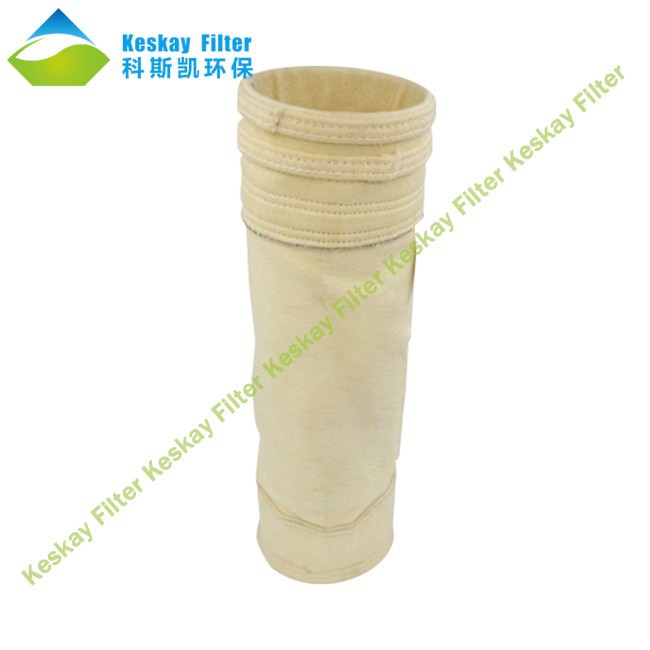
In the outdoor and industrial sectors, PTFE Fabric is used in protective covers, tents, and filtration systems. These applications are often exposed to outdoor ozone, and the ozone resistance of PTFE Fabric helps to maintain the integrity and functionality of these products over time. For instance, in a chemical plant where ozone is a by - product of some processes, PTFE - based filtration systems can operate effectively for years without significant degradation due to ozone exposure.
Comparison with Other Fabrics
When compared to other fabrics, PTFE Fabric stands out for its superior ozone resistance. For example, natural fibers such as cotton and wool are highly susceptible to ozone damage. Ozone can break down the cellulose in cotton and the protein structure in wool, leading to rapid degradation.
Synthetic fabrics like polyester and nylon also have limited ozone resistance. While they may perform better than natural fibers, they still experience significant degradation when exposed to high - ozone environments. In contrast, PTFE Fabric's strong chemical structure provides it with a level of ozone resistance that far exceeds that of these common fabrics.
If you are interested in other types of fabrics, we also offer Antistatic Nonwoven Fabric and Fiberglass Fabric Cloth, which have their own unique properties and applications.
Maintenance and Long - Term Use
One of the advantages of using PTFE Fabric is its low - maintenance requirements, especially when it comes to ozone exposure. Since it is highly resistant to ozone, there is no need for special coatings or treatments to protect it from ozone damage. This not only simplifies the maintenance process but also reduces long - term costs.

However, it's still important to follow general best practices for handling and storing PTFE Fabric. Avoid contact with sharp objects that could physically damage the fabric, and store it in a clean, dry environment. With proper care, PTFE Fabric can provide reliable performance for many years, even in ozone - rich environments.
Conclusion
In conclusion, PTFE Fabric is indeed highly resistant to ozone. Its unique chemical structure, characterized by strong carbon - fluorine bonds and a stable molecular arrangement, provides excellent protection against ozone - induced degradation. Scientific studies and real - world applications have consistently demonstrated its superior ozone resistance compared to other fabrics.
If you are in need of a fabric that can withstand ozone exposure in your projects, PTFE Fabric is an ideal choice. Whether you are in the aerospace, outdoor, or industrial sectors, our high - quality PTFE Fabric can meet your requirements. We are always ready to discuss your specific needs and provide you with the best solutions. Contact us to start a procurement discussion and find out how our PTFE Fabric can enhance the performance and longevity of your products.
References
- "Handbook of Fluoropolymer Science and Technology" by Harry Allcock, Frederick Lampe, and James Mark.
- "Polymer Degradation and Stability" journal articles on ozone resistance of polymers.
- Industry reports on the performance of PTFE Fabric in various applications.