

Hey there! As a supplier of PTFE dust filter bags, I've seen firsthand the ins and outs of these products. PTFE dust filter bags are pretty awesome, but like any product, they come with their own set of challenges. In this blog, I'm gonna break down some of the main challenges you might face when using PTFE dust filter bags.
High Initial Cost
One of the most obvious challenges is the high initial cost. PTFE, or polytetrafluoroethylene, is a high - performance material. The production process of PTFE dust filter bags involves advanced technology and high - quality raw materials, which drives up the price. Compared to other types of filter bags like the Easy Clean Needle Felt Filter Bag, PTFE dust filter bags can be significantly more expensive.
For small - scale operations or businesses on a tight budget, this upfront cost can be a major deterrent. You might be thinking, "Why should I spend so much on a filter bag when there are cheaper alternatives available?" Well, the answer lies in the long - term benefits, but convincing customers to make that initial investment can be tough.
Compatibility Issues
Another challenge is compatibility. PTFE dust filter bags need to be compatible with the dust and the operating environment. Different industrial processes generate different types of dust, and not all dust is suitable for PTFE filter bags.

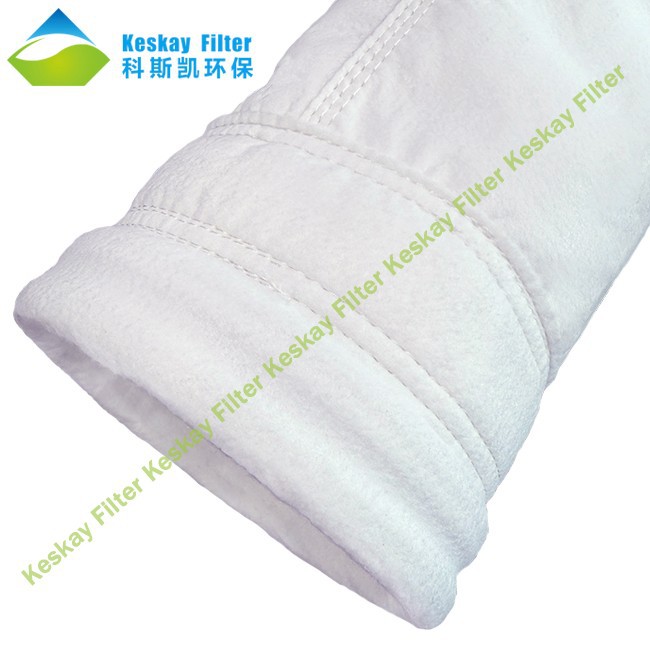
For example, if the dust has a high moisture content or is highly acidic or alkaline, it can potentially damage the PTFE material. Some chemical substances in the dust might react with the PTFE, reducing its filtering efficiency and lifespan. Before recommending a PTFE dust filter bag to a customer, we have to conduct a detailed analysis of the dust characteristics and the operating conditions. This can be time - consuming and requires specialized knowledge.
Installation and Maintenance Complexity
Installing PTFE dust filter bags isn't as straightforward as you might think. They need to be installed correctly to ensure proper sealing and airflow. A small mistake during installation can lead to leaks, which will reduce the overall efficiency of the dust collection system.
Maintenance is also a bit of a challenge. PTFE filter bags need to be inspected regularly for signs of wear and tear. Cleaning them requires specific methods and equipment. Unlike some other filter bags that can be easily cleaned with simple techniques, PTFE filter bags need more careful handling. If the cleaning process is too harsh, it can damage the PTFE membrane, and if it's not thorough enough, the dust buildup will affect the filtering performance.
Limited Resistance to High Temperatures (in Some Cases)
Although PTFE is known for its high - temperature resistance, there are still limits. In extremely high - temperature environments, the performance of PTFE dust filter bags can be affected. Some industrial processes generate temperatures that are close to or even exceed the maximum temperature tolerance of PTFE.
In such cases, you might need to look for alternative materials or use additional cooling mechanisms. For example, P84 Filter Bag might be a better option in some high - temperature applications. This means that as a supplier, we need to be very clear about the temperature limits of our PTFE dust filter bags and advise our customers accordingly.
Environmental and Regulatory Challenges
The production and disposal of PTFE dust filter bags also face environmental and regulatory challenges. The production process of PTFE involves the use of certain chemicals, and there are strict regulations regarding their use and emissions. We need to ensure that our production facilities comply with all the environmental regulations to avoid any legal issues.
When it comes to disposal, PTFE is a non - biodegradable material. Finding proper ways to dispose of used PTFE dust filter bags is a challenge. We need to educate our customers about the proper disposal methods to minimize the environmental impact.
Competition from Other Filter Bag Materials
The market for dust filter bags is highly competitive. There are many other types of filter bag materials available, each with its own advantages and disadvantages. For example, fiberglass filter bags are known for their high - temperature resistance and relatively low cost. Polyester filter bags are widely used in general industrial applications because of their good filtering performance and affordability.
As a supplier of PTFE Dust Filter Bag, we need to constantly prove the value of our product. We have to show our customers that despite the challenges, the long - term benefits of using PTFE dust filter bags, such as high efficiency, long lifespan, and chemical resistance, outweigh the initial cost and other drawbacks.
Conclusion
Despite these challenges, PTFE dust filter bags still have a lot of potential in the market. Their unique properties make them suitable for many demanding industrial applications. As a supplier, it's our job to help our customers overcome these challenges.
If you're facing dust collection issues and are considering using PTFE dust filter bags, don't hesitate to reach out. We can provide you with detailed information, conduct on - site inspections, and offer customized solutions. Let's work together to find the best dust collection solution for your business.
References
- Industrial Filtration Handbook: A Guide to Selection, Application, and Design.
- Research papers on PTFE materials and their applications in dust filtration.