

As a supplier of PPS filter bags, I often get asked about the anti - microbial performance of these essential industrial components. In this blog, I'll delve into the details of what makes PPS filter bags effective in combating microbes, and why this feature is crucial in various applications.
Understanding PPS Filter Bags
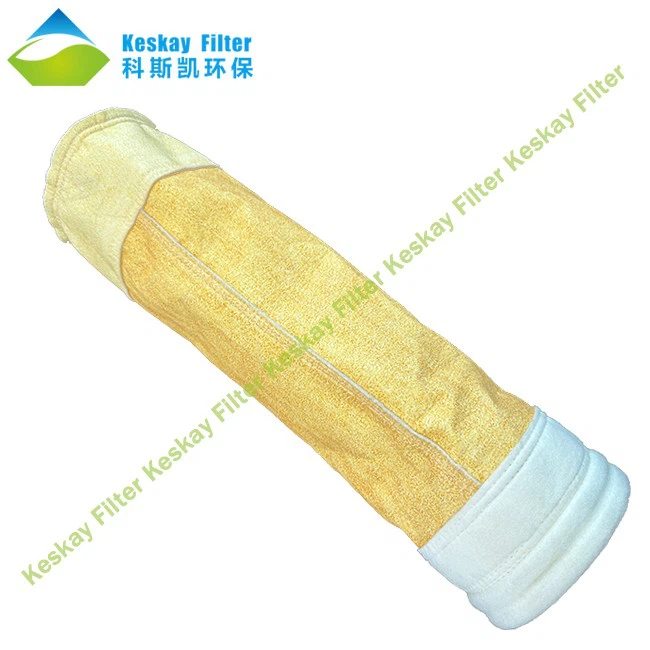
PPS, or polyphenylene sulfide, is a high - performance thermoplastic polymer. PPS filter bags are widely used in industrial dust collection systems due to their excellent chemical resistance, high - temperature stability, and mechanical strength. These bags are designed to capture dust and particulate matter from industrial exhaust gases, ensuring cleaner air and protecting downstream equipment.

The Significance of Anti - Microbial Performance
Microbes, such as bacteria, fungi, and viruses, can pose significant problems in industrial environments. In dust collection systems, microbial growth can lead to several issues. For example, it can cause clogging of the filter bags, reducing their efficiency and increasing energy consumption. Microbes can also produce unpleasant odors and, in some cases, release harmful by - products. In industries where hygiene is of utmost importance, such as food processing, pharmaceuticals, and biotechnology, the presence of microbes in the air can contaminate products and pose a risk to human health.
How PPS Filter Bags Exhibit Anti - Microbial Performance
Material Properties
The chemical structure of PPS itself plays a role in its anti - microbial performance. PPS has a highly stable molecular structure, which makes it less susceptible to microbial degradation. Microbes typically break down organic materials to obtain nutrients for growth. However, the strong chemical bonds in PPS make it difficult for microbes to penetrate and break apart the polymer chains. This inherent stability means that PPS filter bags can resist the growth of microbes over an extended period.
Surface Characteristics
The surface of PPS filter bags can be engineered to have anti - microbial properties. Some manufacturers apply special coatings or treatments to the surface of the bags. These coatings may contain anti - microbial agents such as silver ions or other biocides. Silver ions, for instance, have been well - known for their anti - microbial activity. They can disrupt the cell membranes of microbes, preventing their growth and reproduction. When microbes come into contact with the coated surface of the PPS filter bag, the anti - microbial agents are released, effectively killing or inhibiting the growth of the microbes.
Filtration Mechanism
PPS filter bags operate on the principle of mechanical filtration. They capture dust particles based on their size and shape. This filtration process also helps in reducing the microbial load in the air. As the dust - laden air passes through the filter bag, microbes attached to the dust particles are trapped within the fabric of the bag. Once trapped, the anti - microbial properties of the bag prevent the microbes from growing and spreading.
Applications Benefiting from Anti - Microbial PPS Filter Bags
Food Processing Industry
In food processing plants, maintaining a clean and hygienic environment is essential to prevent food contamination. PPS filter bags with anti - microbial performance can be used in the ventilation systems to remove dust and microbes from the air. This helps in ensuring that the food products are not exposed to harmful microorganisms during the production process.
Pharmaceutical Industry
The pharmaceutical industry has strict regulations regarding air quality. Microbes in the air can contaminate pharmaceutical products, rendering them ineffective or even harmful. Anti - microbial PPS filter bags are used in cleanrooms and production areas to maintain a sterile environment. They help in preventing the growth of bacteria, fungi, and other microbes that could potentially contaminate the drugs.
Biotechnology Industry
Biotechnology companies often work with sensitive biological materials. The presence of microbes in the air can interfere with the research and production processes. PPS filter bags with anti - microbial properties are used to create a controlled environment, protecting the biological samples and products from microbial contamination.
Comparison with Other Filter Bag Types
When comparing PPS filter bags with other types of filter bags, such as Ceramic Filter Bag, Folded And Pleated Bag, and Acrylic Filter Bag, the anti - microbial performance of PPS filter bags stands out in many cases.
Ceramic filter bags are known for their high - temperature resistance, but they may not have inherent anti - microbial properties. Folded and pleated bags are designed to increase the filtration area, but their anti - microbial performance depends on the base material and any additional treatments. Acrylic filter bags are often used for their good chemical resistance, but they may be more prone to microbial growth compared to PPS filter bags due to the nature of the acrylic polymer.
Testing and Certification
To ensure the anti - microbial performance of PPS filter bags, various testing methods are available. These tests typically involve exposing the filter bags to a known concentration of microbes and measuring the reduction in microbial growth over a specific period. Some common tests include the agar diffusion test and the shake - flask test.
Certifications can also provide assurance of the anti - microbial performance of PPS filter bags. Independent third - party organizations may certify that the filter bags meet certain anti - microbial standards. When purchasing PPS filter bags, it is advisable to look for products that have been tested and certified for their anti - microbial properties.
Maintenance and Longevity
Proper maintenance is crucial to maintain the anti - microbial performance of PPS filter bags. Regular cleaning and inspection can help in removing any accumulated dust and debris that may provide a breeding ground for microbes. However, it is important to use cleaning methods that do not damage the anti - microbial coatings or the PPS material itself.
With proper maintenance, PPS filter bags can have a long service life. Their anti - microbial properties can remain effective for an extended period, providing continuous protection against microbial contamination in industrial environments.
Conclusion
In conclusion, the anti - microbial performance of PPS filter bags is a valuable feature that offers numerous benefits in various industrial applications. Their ability to resist microbial growth, combined with their other properties such as chemical resistance and high - temperature stability, makes them an ideal choice for industries where air quality and hygiene are of utmost importance.
If you are in need of high - quality PPS filter bags with excellent anti - microbial performance, I encourage you to reach out for a procurement discussion. We can provide you with detailed information about our products, their specifications, and how they can meet your specific requirements.
References
- "Handbook of Industrial Filtration" - This comprehensive handbook provides in - depth information on different types of filter bags, including PPS filter bags, and their performance characteristics.
- "Microbial Contamination in Industrial Environments" - A research paper that discusses the problems caused by microbes in industrial settings and the importance of anti - microbial solutions.
- "Anti - Microbial Polymers: Principles and Applications" - This book explores the science behind anti - microbial polymers, including PPS, and their use in various applications.