

Hey there! As a supplier of Antistatic Filter Bags, I often get asked about the moisture resistance of these essential products. So, let's dive right into what it really means and why it matters.
First off, let's understand what antistatic filter bags are. Antistatic filter bags, like the ones you can check out Antistatic Filter Bag, are designed to prevent the build - up of static electricity. This is crucial in environments where there's a risk of dust explosions or where static can interfere with the proper functioning of equipment. They're used in a wide range of industries, from mining and chemical processing to food production and pharmaceuticals.
Now, onto moisture resistance. Moisture can be a real pain in the neck for filter bags. When filter bags get wet, several bad things can happen. For starters, the moisture can cause the dust particles to clump together. This clumping can block the pores of the filter bag, reducing its efficiency. The bag won't be able to trap dust as effectively, and the airflow through the system will be restricted. This means that the dust collector has to work harder, which can lead to increased energy consumption and more wear and tear on the equipment.
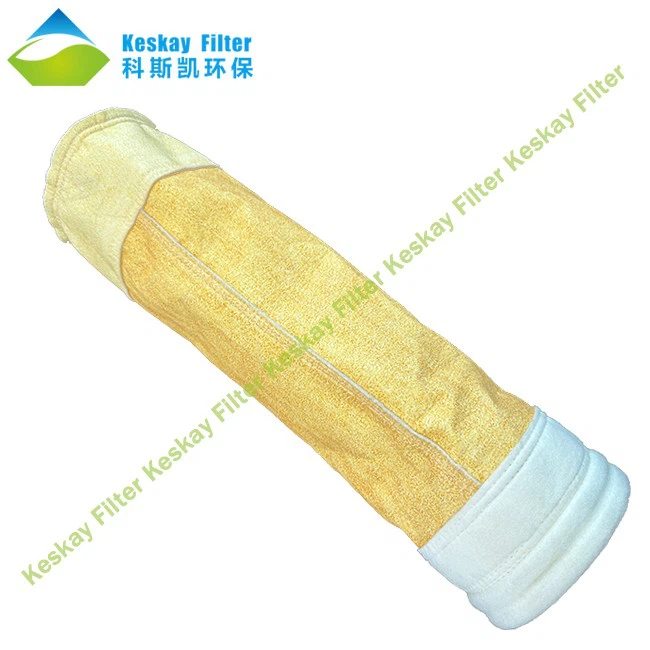

In addition, moisture can cause corrosion. If the filter bag is made of a material that's not resistant to moisture, it can start to break down over time. This not only shortens the lifespan of the filter bag but can also contaminate the air or the product being filtered. For example, in a food processing plant, a corroded filter bag could release small particles into the food, which is a big no - no.
So, how do antistatic filter bags handle moisture? Well, it depends on the materials they're made of. Some antistatic filter bags are made from synthetic fibers that have inherent moisture - resistant properties. These fibers are designed to repel water, so the bag stays dry even in humid conditions. For instance, Acrylic Filter Bag is a type of filter bag that often has good moisture resistance. Acrylic fibers are hydrophobic, which means they don't absorb water easily. This helps to keep the bag's pores open and maintain its filtering efficiency.
Another factor that affects moisture resistance is the treatment of the filter bag. Some manufacturers apply special coatings or treatments to the filter bags to enhance their moisture - resistant capabilities. These treatments can create a barrier on the surface of the bag, preventing water from penetrating the fibers. For example, a PTFE (polytetrafluoroethylene) coating can be applied to the filter bag. PTFE is known for its excellent non - stick and water - repellent properties. It forms a smooth, slippery surface that water just slides off of.
But it's not just about keeping the bag dry on the outside. The internal structure of the filter bag also plays a role. A well - designed filter bag will have a proper ventilation system that allows moisture to escape. This can be in the form of small channels or pores within the bag that allow air to circulate. By allowing moisture to escape, the bag can maintain its structural integrity and filtering performance.
Now, let's talk about some real - world scenarios where moisture resistance is crucial. In a mining operation, the air is often filled with dust and moisture. The antistatic filter bags in the dust collectors need to be able to handle this harsh environment. If the bags aren't moisture - resistant, they'll quickly become clogged with wet dust, and the dust collectors will stop working effectively. This can lead to poor air quality in the mine, which is a health hazard for the workers.
In a chemical processing plant, there may be steam or other forms of moisture in the air. The filter bags need to be able to withstand this moisture without losing their antistatic properties. If static electricity builds up in the filter bags, it could cause a spark, which could lead to a fire or explosion in a plant where flammable chemicals are present.
When it comes to choosing the right antistatic filter bag with good moisture resistance, there are a few things to consider. First, look at the specifications of the bag. The manufacturer should provide information about the bag's moisture - resistant properties, such as the level of water repellency and the ability to withstand high humidity. Second, consider the environment where the filter bag will be used. If the environment is very humid or there's a lot of moisture present, you'll need a bag with a high level of moisture resistance.
You should also think about the size and shape of the filter bag. Irregular Filter Bag may be needed in some applications where the space is limited or the airflow pattern is unusual. These bags need to have the same level of moisture resistance as standard - shaped bags to ensure proper performance.
In conclusion, the moisture resistance of antistatic filter bags is a critical factor that can affect their performance, lifespan, and the safety of the overall system. As a supplier, I've seen firsthand the difference that a moisture - resistant filter bag can make. Whether it's in a mining operation, a chemical plant, or a food processing facility, having the right filter bag can save you time, money, and headaches.
If you're in the market for high - quality antistatic filter bags with excellent moisture resistance, don't hesitate to reach out. We're here to help you find the perfect solution for your specific needs. Whether you need a standard - sized bag or an Irregular Filter Bag, we've got you covered. Contact us to start a discussion about your requirements and let's work together to keep your dust collection system running smoothly.
References:
- General knowledge of filter bag technology and industry standards.
- Manufacturer specifications and product literature for antistatic and moisture - resistant filter bags.