


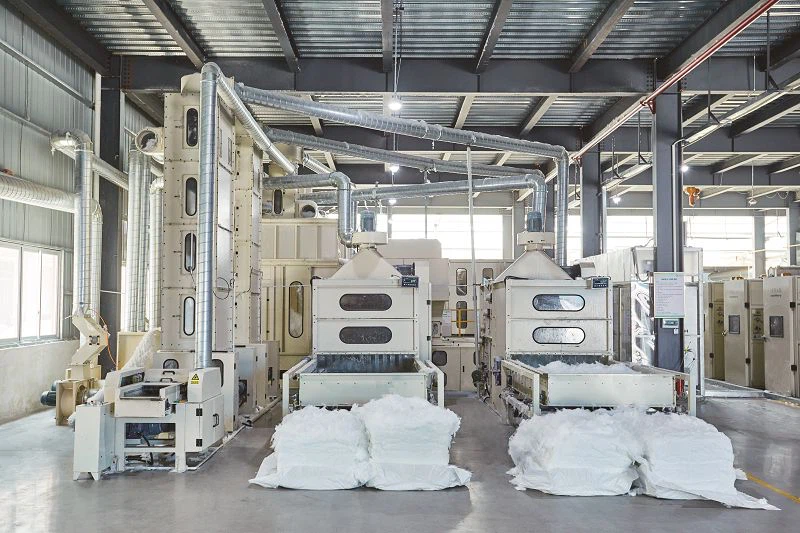
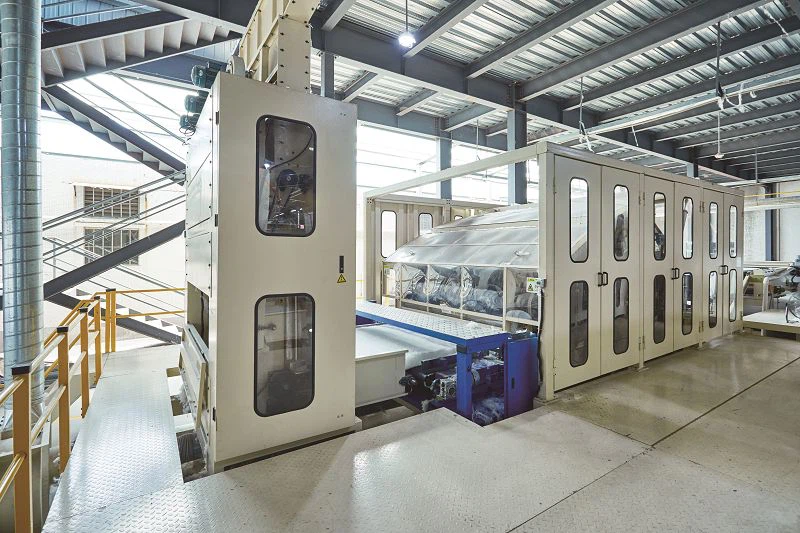
The production process of the filter cloth consists of ten steps: raw material - feeding - loosening - raw material prepossessing - combing - laying - pre-needling three times - main needling three times - semi-finished product.
The surface post-treatment includes singeing, calendering, and heat setting, which are the three main processes. Among them, waterproofing, oil-proofing, and coating are completed through different processing methods depending on the material, and finally, the finished filter material is produced. The size of the filter cloth is determined by the customer's requirements and is cut accordingly.
The filter cloth's dimensions are established by the client and are cut appropriately.
Applications
- Construction Industry: Used for roof waterproof underlays, wall moisture-proof liners, foundation isolation cloth, and temporary construction protective covers. It effectively blocks water penetration, protects building structures, and enhances project durability.
- Packaging Industry: Applied in moisture-proof packaging of electronic components, mechanical parts, and precision instruments, as well as outer packaging of daily necessities, express bags, and gift wrapping materials. It prevents goods from being damp and damaged during storage and transportation.
- Hygiene & Daily Necessities Industry: Utilized as raw materials for disposable diapers, sanitary napkins, wet wipes, and adult incontinence products. The waterproof layer isolates liquid leakage while maintaining breathability for user comfort.
- Agriculture Industry: Used for agricultural mulch films, crop protection covers, seedling raising bags, and greenhouse inner liners. It retains soil moisture, resists rain erosion, and helps regulate crop growth environment.
- Automotive Industry: Applied in car interior waterproof liners, trunk moisture-proof pads, door panel insulation layers, and automotive parts packaging. It prevents water intrusion and protects automotive internal components.
- Medical Industry: Suitable for disposable medical gowns, surgical drapes, medical packaging bags, and emergency rescue waterproof blankets. It blocks liquid penetration, maintains sterile environments, and ensures medical safety.
- Textile & Apparel Industry: Used for raincoat liners, shoe covers, bag waterproof linings, and outdoor clothing accessories. It achieves waterproof protection while matching the lightness of clothing and bags.
- Logistics & Transportation Industry: Applied in container moisture-proof liners, cargo rainproof covers, and transportation packaging wraps. It protects goods from rain and humidity during long-distance transportation.
- Home Textiles Industry: Utilized for mattress waterproof covers, sofa protective covers, tablecloths, and curtain backings. It prevents water stains and dirt from damaging home textiles, facilitating daily cleaning.
- Outdoor & Sports Industry: Used for outdoor tent materials, camping ground mats, backpack rain covers, and sports equipment protective sleeves. It resists rain and moisture, adapting to outdoor harsh environments.
- Environmental Protection Industry: Applied in sewage treatment filter cloths, oil-water separation mats, and flood control emergency sandbag liners. It leverages waterproof and anti-seepage properties to assist environmental governance.
Workshop
Filter Material Workshop
In the filter material production process, the workshop always practices the concept of environmental protection, selecting environmentally friendly additives and dyes to reduce pollutant emissions in the production link. At the same time, the produced filter material products themselves have excellent environmental protection performance. For instance, some filter materials can achieve a dust filtration efficiency of more than 99.9%, effectively reducing the pollution of industrial dust to the atmospheric environment, helping downstream enterprises achieve compliance with environmental protection emission standards, and conforming to the national green development policy orientation.
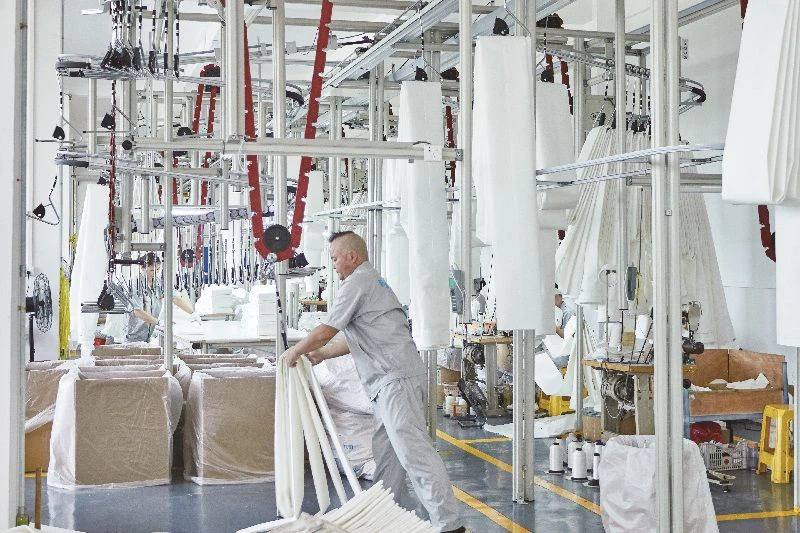
Bag Workshop
The workshop implements strict process standards in the sewing process. It controls the stitch pitch and sewing width in accordance with the GBl2625-90 standard, ensuring that there are no more than 1 skipped stitch per meter of sewing thread, no floating thread, no less than 2 circular sewing threads at the bag mouth, and a double-thread double-loop sewing process at the bag bottom. For laminated composite filter bags, the operation process is specially optimized to avoid damage to the laminated layer: damages smaller than 5mm×5mm need to be repaired with filter materials of the same material, while products with damages larger than this size are directly rejected. This ensures the filtering performance through detailed control.
Bag Cage Workshop
With diversified products and customization capabilities, the skeletons produced by the Skeleton Workshop can accurately adapt to dust removal scenarios in multiple industries. It provides high-temperature resistant and wear-resistant stainless steel skeletons for coal-fired boiler dust collectors in the electric power industry; produces conventional skeletons with anti-condensation and easy dust cleaning functions for rotary kiln dust collectors in the cement industry; customizes high-strength special-shaped skeletons for high-temperature dust collectors in the non-ferrous metal smelting industry; and selects food-grade 304 stainless steel skeletons for dust collection equipment in the food processing industry, meeting the special working condition needs of different industries.



Enterprise honor
As a source manufacturer with independent R&D capabilities in Guangdong, we attach great importance to technological innovation and international patent layout, and have made remarkable achievements in the technological R&D of dust filter bags and cages, winning a number of honors in the field of international innovation and technology.
We have been awarded the titles of "National Intellectual Property Advantage Enterprise" and "Guangdong Provincial Specialized, Refined, Differentiated and Innovative Little Giant Enterprise", and have won the "Guangdong Provincial Science and Technology Progress Award" and "Guangdong Provincial Environmental Technology Progress Award" many times. We have more than 50 national and international patents, participated in the formulation of national and industry standards for dust removal products, and our R&D achievements have been recognized by international environmental protection technology organizations, providing strong technical support for serving foreign customers.

Package
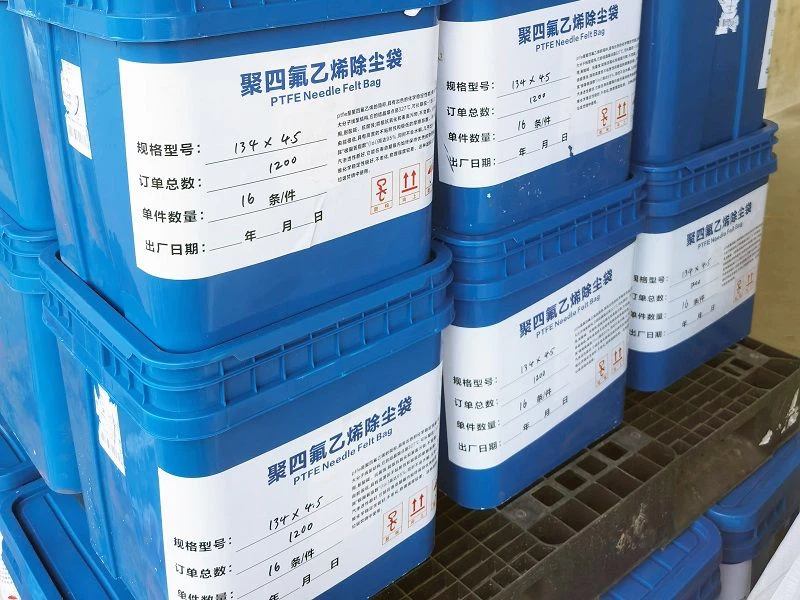
As a professional source manufacturer of dust filter bags and cages based in Guangdong Province, China, we strictly abide by international packaging standards and export packaging regulations, ensuring that our packaging meets the requirements of different countries and regions around the world, and laying a solid foundation for smooth customs clearance and safe transportation for foreign customers.


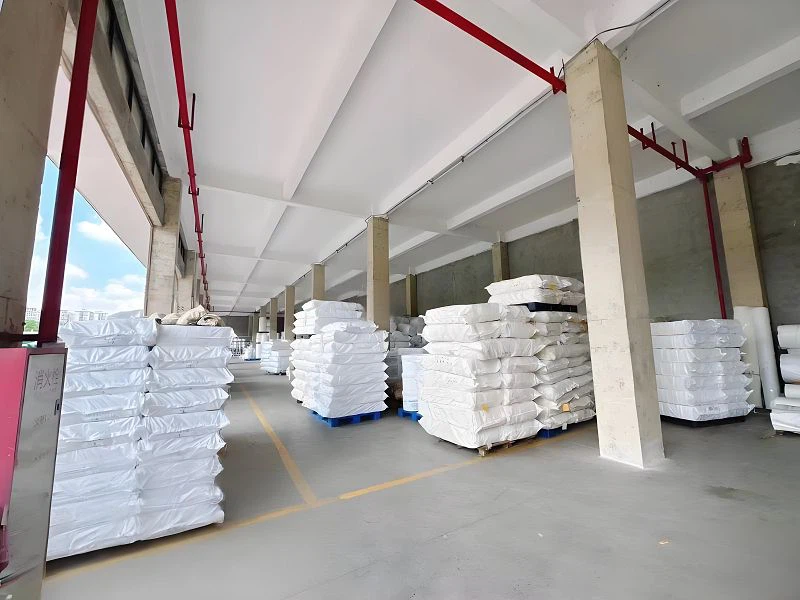
Transportation
Dust filter bags and cages are easily damaged during long-distance international transportation. As a responsible source manufacturer, we strictly follow international packaging standards and adopt professional packaging solutions to ensure that products are intact during transportation and delivered to foreign customers safely.
For dust filter bags, we use moisture-proof, anti-static and wear-resistant packaging materials, and adopt vacuum compression packaging for bulk products to reduce volume and prevent moisture and pollution; for filter cages, we use anti-collision and anti-deformation packaging, and add buffer materials such as foam and corrugated paper to avoid deformation and damage caused by extrusion during transportation. All packaging is marked with clear international shipping labels, including product information, weight, volume and handling precautions, which is convenient for customs clearance and transportation.

Hot Tags: waterproof nonwoven fabric, China waterproof nonwoven fabric manufacturers, suppliers, factory, maple syrup filter cloth, geo fabric filter cloth, filter cloth fabric, melt blown filter fabric, ptfe cloth, colored fiberglass cloth