

As a supplier of Pulse Controllers, I often encounter inquiries regarding the suitability of our products in explosive environments. This topic is of great significance, as the safety and functionality of equipment in such settings are paramount. In this blog post, I will delve into the technical aspects, safety considerations, and regulatory requirements surrounding the use of Pulse Controllers in explosive atmospheres.

Understanding Pulse Controllers
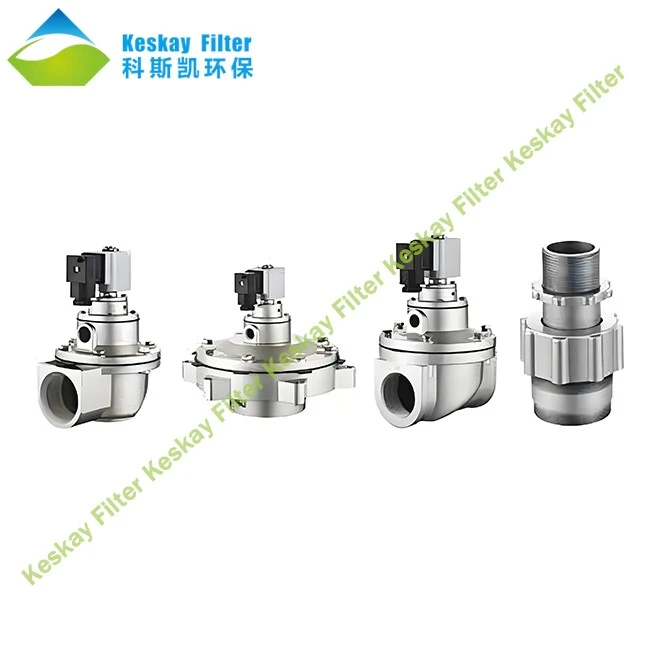
A Pulse Controller is a crucial component in many industrial filtration systems. It is designed to control the operation of Pulse Valves, which are used to clean filter bags or cartridges by releasing short bursts of compressed air. This process helps maintain the efficiency of the filtration system by preventing the accumulation of dust and debris.
The basic functionality of a Pulse Controller involves sending electrical signals to the Pulse Valves at specific intervals and durations. These signals trigger the opening and closing of the valves, allowing the compressed air to flow through and clean the filters. The controller can be programmed to adjust the cleaning cycle based on various factors, such as the type of dust, the airflow rate, and the pressure differential across the filters.
Explosive Environments: A Complex Challenge
Explosive environments are characterized by the presence of flammable gases, vapors, dusts, or fibers that can form explosive mixtures with air under certain conditions. These environments are commonly found in industries such as oil and gas, chemical processing, mining, and food processing. In such settings, the use of electrical equipment must comply with strict safety standards to prevent the ignition of explosive mixtures and the resulting fires or explosions.
The main challenge in using Pulse Controllers in explosive environments lies in ensuring that the electrical components of the controller do not generate sparks or excessive heat that could ignite the surrounding atmosphere. This requires careful design, construction, and testing of the equipment to meet the relevant safety standards.
Safety Standards and Regulations
To ensure the safe use of electrical equipment in explosive environments, various international and national standards have been established. These standards define the requirements for the design, construction, installation, and maintenance of equipment to prevent the ignition of explosive mixtures.
One of the most widely recognized standards is the IEC 60079 series of standards, which provides a comprehensive framework for the classification of explosive atmospheres and the selection of appropriate electrical equipment. In addition, many countries have their own national standards that are based on or equivalent to the IEC standards.
In the United States, the National Electrical Code (NEC) and the Occupational Safety and Health Administration (OSHA) regulations govern the use of electrical equipment in hazardous locations. These regulations specify the requirements for the installation and use of equipment in different classes and divisions of hazardous locations.
Types of Protection for Pulse Controllers
To meet the safety requirements for use in explosive environments, Pulse Controllers can be designed with different types of protection. The most common types of protection include:
- Flameproof Enclosure (Ex d): This type of protection involves enclosing the electrical components of the controller in a robust, flameproof enclosure that can withstand the pressure of an internal explosion without allowing the flames or hot gases to escape and ignite the surrounding atmosphere.
- Intrinsic Safety (Ex i): Intrinsic safety is a technique that limits the energy available in the electrical circuits of the controller to a level that is insufficient to ignite the explosive atmosphere. This is achieved by using low-power components and limiting the voltage and current in the circuits.
- Pressurized Enclosure (Ex p): A pressurized enclosure is a type of protection that uses a positive pressure of clean air or an inert gas to prevent the entry of explosive mixtures into the enclosure. The enclosure is continuously monitored to ensure that the pressure is maintained within the specified limits.
Considerations for Selecting a Pulse Controller for Explosive Environments
When selecting a Pulse Controller for use in an explosive environment, several factors need to be considered:
- Explosion Protection Type: The type of explosion protection required will depend on the classification of the explosive atmosphere and the specific requirements of the application. It is important to choose a controller that is certified for use in the appropriate explosion protection category.
- Environmental Conditions: In addition to the explosive atmosphere, other environmental factors such as temperature, humidity, and dust levels need to be considered. The controller should be able to operate reliably in the specified environmental conditions.
- Compatibility with Pulse Valves: The Pulse Controller must be compatible with the Pulse Valves and other components of the filtration system. This includes ensuring that the electrical signals sent by the controller are compatible with the valve's operating requirements.
- Ease of Installation and Maintenance: The controller should be easy to install and maintain, especially in a hazardous location. This includes features such as clear wiring diagrams, accessible terminals, and easy-to-use programming interfaces.
Case Studies: Successful Use of Pulse Controllers in Explosive Environments
Despite the challenges, there are many successful examples of the use of Pulse Controllers in explosive environments. For instance, in a chemical processing plant, a Pulse Controller with an intrinsic safety protection type was installed to control the cleaning of filter bags in a dust collection system. The controller was designed to operate in a Zone 1 hazardous location, where the presence of flammable vapors was a constant concern.
The installation of the Pulse Controller not only improved the efficiency of the filtration system but also enhanced the safety of the plant by reducing the risk of dust explosions. The controller was programmed to adjust the cleaning cycle based on the pressure differential across the filters, ensuring that the filters were cleaned at the optimal time.
Conclusion
In conclusion, the use of Pulse Controllers in explosive environments is possible, but it requires careful consideration of the safety standards, the type of protection required, and the specific requirements of the application. As a supplier of Pulse Controllers, we are committed to providing our customers with high-quality products that meet the highest safety standards.
If you are considering using a Pulse Controller in an explosive environment, I encourage you to contact us to discuss your specific requirements. Our team of experts can help you select the right controller and provide you with the necessary support and guidance throughout the installation and maintenance process.
References
- IEC 60079 series of standards
- National Electrical Code (NEC)
- Occupational Safety and Health Administration (OSHA) regulations