

Can a pulse valve be repaired? This is a question that often comes up among our customers in the industrial filtration and pneumatic control sectors. As a leading supplier of Pulse Valve, I've had the opportunity to address this query numerous times. In this blog, I'll delve into the intricacies of pulse valve repair, exploring when it's feasible, the steps involved, and the benefits and limitations of the process.
Understanding Pulse Valves
Before we discuss repair, it's essential to understand what a pulse valve is and how it functions. A pulse valve is a crucial component in dust collection systems and other pneumatic applications. It is designed to release a short, high - pressure burst of air at regular intervals. This burst of air is used to clean the filter bags in a dust collector, ensuring that the filtration system operates efficiently.
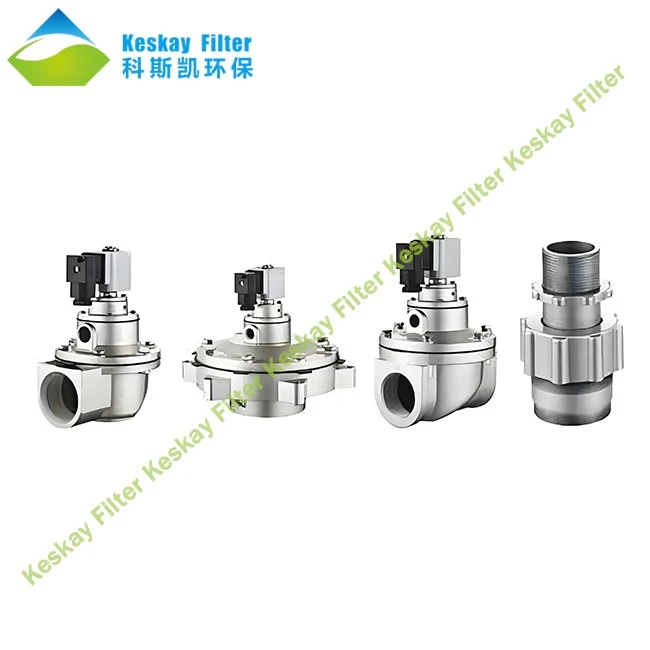
Pulse valves typically consist of a diaphragm, solenoid, body, and various seals. The solenoid controls the opening and closing of the valve by energizing and de - energizing an electromagnetic field, which in turn moves the diaphragm to allow or block the flow of air.
When Can a Pulse Valve Be Repaired?
-
Minor Seal and Diaphragm Issues
One of the most common reasons for a pulse valve to malfunction is a damaged seal or diaphragm. Over time, the diaphragm can wear out due to repeated flexing, or the seals can become brittle and crack. In such cases, replacing the diaphragm or seals can often restore the valve's functionality. This is a relatively simple repair that can be done on - site with basic tools. -
Solenoid Problems
The solenoid is another component that can fail. If the solenoid coil burns out or there is a problem with the electrical connection, it may be possible to replace the solenoid. This requires some electrical knowledge, but it is still a feasible repair option. -
Clogging
Sometimes, pulse valves can become clogged with dirt, debris, or moisture. This can prevent the valve from opening or closing properly. In these situations, cleaning the valve thoroughly can often solve the problem. This involves disassembling the valve, removing the clog, and then reassembling it.
When Repair May Not Be Feasible
-
Extensive Physical Damage
If the valve body is cracked, bent, or severely corroded, repair may not be possible. In such cases, the structural integrity of the valve is compromised, and it is more cost - effective to replace the entire valve.
-
Outdated or Obsolete Components
In some instances, the pulse valve may be an older model, and replacement parts are no longer available. This can make repair impossible, and a new valve will need to be installed.
Steps to Repair a Pulse Valve
-
Diagnosis
The first step in repairing a pulse valve is to diagnose the problem accurately. This involves inspecting the valve for visible signs of damage, such as cracks, leaks, or worn - out components. You can also use diagnostic tools, such as pressure gauges and electrical testers, to check the valve's performance. -
Disassembly
Once the problem has been identified, the next step is to disassemble the valve. This should be done carefully, following the manufacturer's instructions. Keep track of all the components and their positions to ensure proper reassembly. -
Component Replacement or Cleaning
If a component, such as the diaphragm, seal, or solenoid, is damaged, it should be replaced with a new one. You can find high - quality replacement parts at our Pulse Valse Spare Parts page. If the valve is clogged, clean all the components thoroughly using an appropriate cleaning agent. -
Reassembly
After the components have been replaced or cleaned, reassemble the valve. Make sure all the parts are properly aligned and tightened to the correct specifications. -
Testing
Once the valve is reassembled, test it to ensure it is working correctly. This can be done by connecting the valve to a Pulse Controller and observing its operation. Check for proper air flow, opening and closing times, and any signs of leaks.
Benefits of Repairing a Pulse Valve
-
Cost Savings
Repairing a pulse valve is often more cost - effective than replacing it. By simply replacing a few worn - out components, you can extend the life of the valve and avoid the expense of purchasing a new one. -
Reduced Downtime
In an industrial setting, downtime can be extremely costly. Repairing a pulse valve on - site can often be done quickly, minimizing the time that the filtration system is out of operation. -
Environmental Benefits
By repairing rather than replacing, you reduce the amount of waste generated. This is in line with the growing trend towards sustainable practices in the industrial sector.
Limitations of Pulse Valve Repair
-
Skill and Knowledge Requirements
Repairing a pulse valve requires a certain level of skill and knowledge. Incorrect repair can lead to further damage or even safety hazards. It is important to ensure that the person performing the repair is properly trained. -
Uncertainty of Long - Term Performance
Even after repair, there is no guarantee that the valve will perform reliably in the long term. Some underlying issues may not be fully resolved, and the valve may fail again in the future.
Conclusion
In conclusion, a pulse valve can often be repaired, especially when the problems are minor and related to components such as seals, diaphragms, or solenoids. However, there are situations where repair is not feasible, such as when there is extensive physical damage or when replacement parts are not available. As a Pulse Valve supplier, we are committed to providing our customers with the information and resources they need to make informed decisions about pulse valve repair and replacement.
If you are facing issues with your pulse valves and need advice on whether repair is the right option, or if you are interested in purchasing pulse valves, pulse valve spare parts, or pulse controllers, please don't hesitate to contact us. Our team of experts is ready to assist you with your procurement needs and provide you with the best solutions for your industrial filtration requirements.
References
- Industrial Pneumatic Systems Handbook
- Dust Collection System Design and Operation Manual