

Can antistatic filter bags be used in cement industries?

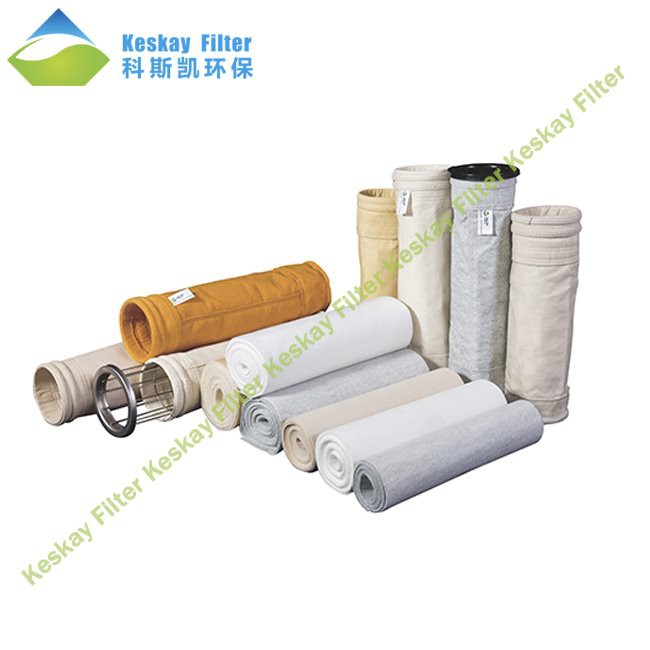
Hey there! I'm a supplier of Antistatic Filter Bags, and today I wanna have a chat about whether these bags can be used in the cement industries.
First off, let's understand the cement industry a bit. Cement production is a complex and dusty process. From the raw material crushing, grinding, to the clinker burning and final cement grinding, there's a ton of dust generated at every step. This dust not only pollutes the environment but also poses a risk to the health of workers. That's where filter bags come in. They're used in dust collectors to trap the dust particles and keep the air clean.
Now, let's talk about antistatic filter bags. As the name suggests, these bags are designed to prevent static electricity. Static electricity can be a real headache in industrial settings. In the cement industry, when dust particles are moving around at high speeds in the air ducts and come into contact with the filter bags, static electricity can build up. This static charge can cause a few problems. For one, it can attract more dust to the filter bags, leading to clogging. When the filter bags get clogged, the efficiency of the dust collector drops, and it has to work harder, which can increase energy consumption and maintenance costs.
Another big concern is the risk of explosion. Cement dust is combustible, and when there's a large amount of static electricity, it can create a spark. If there's enough combustible dust in the air, this spark can trigger an explosion. That's a super dangerous situation that no one wants to deal with. Antistatic filter bags are made with special materials that can dissipate the static charge, reducing the risk of clogging and explosion.
So, can they be used in the cement industry? The answer is a definite yes! In fact, they're highly recommended. The harsh conditions in the cement industry, with high temperatures, high dust concentrations, and the presence of combustible dust, make antistatic filter bags a perfect fit.
Let's take a look at some of the features that make antistatic filter bags suitable for the cement industry.
-
Material durability: Cement production involves high temperatures and abrasive dust. Antistatic filter bags are usually made from high - quality materials that can withstand these harsh conditions. For example, some are made from synthetic fibers that have good heat resistance and abrasion resistance. This means they can last longer in the cement industry environment, reducing the frequency of bag replacement.
-
Efficient dust collection: The design of antistatic filter bags allows them to capture dust particles effectively. They have a high filtration efficiency, which means they can remove a large percentage of the dust from the air. This helps to meet the environmental regulations regarding air quality in the cement plant.
-
Static dissipation: As mentioned earlier, the ability to dissipate static electricity is a key feature. This not only reduces the risk of explosion but also helps to maintain the normal operation of the dust collector. The antistatic properties are built into the fabric of the filter bags, so they work continuously during the filtration process.
Now, compared to other types of filter bags, like Irregular Filter Bag and PP Filter Bag, antistatic filter bags have some unique advantages in the cement industry. Irregular filter bags may be more suitable for some special - shaped dust collectors, but they may not have the same level of antistatic protection. PP filter bags are made from polypropylene, which is a common material, but they may not be as heat - resistant or durable as antistatic filter bags in the high - temperature and high - dust environment of the cement industry.
Let me share a real - life example. There was a cement plant that was using regular filter bags. They were constantly facing problems with clogging and high energy consumption. After they switched to Antistatic Filter Bag, they noticed a significant improvement. The dust collector was working more efficiently, and the risk of explosion was reduced. They also saved on maintenance costs because the filter bags lasted longer.
In conclusion, antistatic filter bags are a great choice for the cement industry. They can solve many of the problems associated with dust collection in this industry, such as clogging, explosion risk, and high energy consumption. If you're in the cement industry and looking for a reliable dust - collection solution, I highly recommend considering antistatic filter bags.
If you're interested in learning more about our antistatic filter bags or have any questions about their application in the cement industry, feel free to reach out. We're always here to help you find the best solution for your dust - collection needs. Let's work together to make your cement plant a safer and more efficient place.
References:
- Industrial Dust Collection Handbook
- Cement Industry Environmental Guidelines