

Hey there! As a supplier of liquid filter bags, I'm super stoked to break down how these nifty little things work. Liquid filter bags are like the unsung heroes in a bunch of industries, quietly doing their job to keep liquids clean and free from all kinds of yucky stuff.
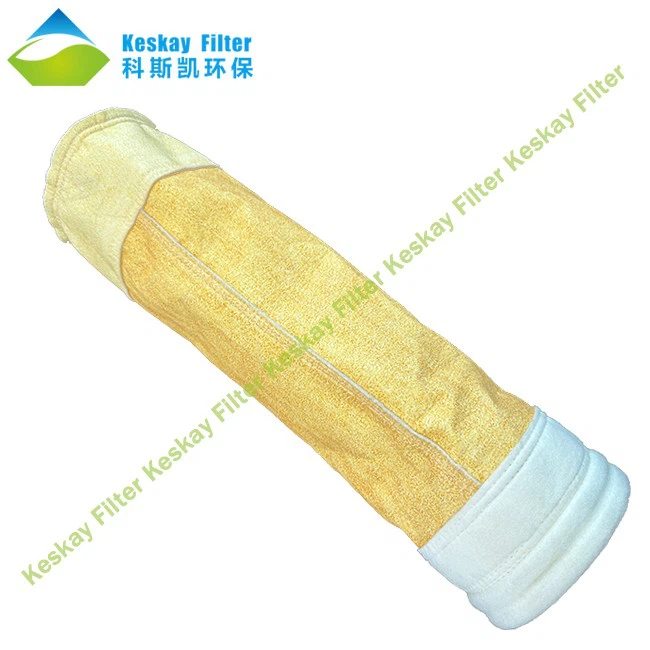
Let's start with the basics. A liquid filter bag is a container made from different types of materials, and it's designed to trap solid particles while letting the liquid pass through. Think of it as a super - fine sieve, but way more advanced.
The Working Principle
When a liquid that needs filtering enters the filter bag system, it's all about the difference in size between the particles and the pores in the filter bag. The liquid flows into the bag, either from the inside out or from the outside in, depending on the specific design of the filtration setup.
As the liquid makes its way through the bag, the pores in the filter material act as a barrier. Particles that are larger than the pore size get caught on the surface of the bag or within its fibers. It's like a net catching fish that are too big to swim through the holes. The smaller the pores, the more fine particles the filter bag can capture.
Types of Filter Bag Materials
P84 Filter Bag
One of the popular materials we offer is the P84 Filter Bag. P84 is a high - performance synthetic fiber. It has a unique cross - sectional shape, which gives it a large surface area for capturing particles. This means it can trap a lot of dirt and debris, making it great for applications where you need to remove a large amount of solid matter from the liquid. It's also resistant to high temperatures and chemicals, so it can be used in some pretty harsh industrial environments.
PP Filter Bag
Then there's the PP Filter Bag. PP stands for polypropylene. This is a widely used material because it's cheap, lightweight, and resistant to many chemicals. Polypropylene filter bags are great for general - purpose filtration, like in water treatment plants or in the food and beverage industry. They're also easy to handle and dispose of when they're full.
Acrylic Filter Bag
The Acrylic Filter Bag is another option. Acrylic fibers are known for their good resistance to acids and alkalis. They're often used in applications where the liquid has a slightly acidic or alkaline pH. These filter bags are also quite durable and can withstand a fair amount of wear and tear.
The Filtration Process Step - by - Step
- Inlet: The dirty liquid enters the filter housing where the filter bag is installed. The housing is designed to direct the liquid evenly into the bag. This helps to make sure that the entire surface area of the bag is used for filtration.
- Filtration: As the liquid moves through the filter bag, the particles start to get trapped. At first, the larger particles are caught on the outer surface of the bag. As more liquid passes through, the smaller particles start to get trapped in the inner layers or between the fibers of the bag.
- Outlet: Once the liquid has passed through the bag and all the unwanted particles have been removed, it exits the filter housing through the outlet. The result is a much cleaner liquid that can be used for its intended purpose.
Factors Affecting Filtration Efficiency
There are a few things that can affect how well a liquid filter bag works.

- Particle Size Distribution: If the liquid has a wide range of particle sizes, it can be a bit tricky for the filter bag. Larger particles might clog the surface of the bag quickly, reducing its ability to capture the smaller particles.
- Flow Rate: The speed at which the liquid flows through the filter bag matters too. If the flow rate is too high, the liquid might not have enough time to pass through the bag properly, and some particles could slip through. On the other hand, if the flow rate is too low, it can slow down the entire filtration process.
- Temperature and Chemical Compatibility: As I mentioned before, different filter bag materials have different resistance levels to temperature and chemicals. If the liquid is too hot or contains aggressive chemicals that the filter bag material can't handle, it could damage the bag and reduce its filtration efficiency.
Maintenance of Liquid Filter Bags
To keep your liquid filter bags working at their best, you need to do some regular maintenance.
- Inspection: Check the filter bags regularly for signs of wear and tear, like holes or tears. You should also look for signs of clogging. If the bag is clogged, it will restrict the flow of liquid and reduce the filtration efficiency.
- Cleaning: Depending on the type of filter bag and the nature of the particles it has captured, you might be able to clean the bag and reuse it. Some bags can be washed with water or a mild detergent, while others might need more specialized cleaning methods.
- Replacement: Eventually, all filter bags will reach the end of their useful life. When this happens, you need to replace them with new ones. It's important to use the right type of bag for your specific application to ensure optimal performance.
Why Choose Our Liquid Filter Bags
We take pride in offering high - quality liquid filter bags. Our bags are made from top - notch materials, and we use the latest manufacturing techniques to ensure consistent quality. We also offer a wide range of options in terms of pore size, material type, and bag size, so you can find the perfect fit for your filtration needs.
Whether you're in the chemical industry, the food and beverage business, or any other industry that requires liquid filtration, we've got you covered. Our team is always ready to help you choose the right filter bag and answer any questions you might have.
If you're interested in learning more about our liquid filter bags or want to discuss your specific filtration requirements, don't hesitate to reach out. We're here to make your filtration process as smooth and efficient as possible. Let's work together to find the best solution for your business!
References
- "Filtration Handbook" - A comprehensive guide on different filtration methods and materials.
- Industry research reports on liquid filtration technologies and their applications.