

Hey there! As a supplier of Pulse Valves, I've seen firsthand how crucial it is to store these little powerhouses properly. A well - stored pulse valve not only lasts longer but also performs at its best when you need it. So, let's dive into the nitty - gritty of how to store a pulse valve the right way.
Why Proper Storage Matters
First off, you might be wondering why storing a pulse valve properly is such a big deal. Well, pulse valves are precision - engineered components. They're used in all sorts of industrial applications, like dust collectors and pneumatic conveying systems. If they're not stored correctly, they can get damaged, corroded, or simply lose their functionality over time. And that's a headache no one needs, especially when you're relying on them to keep your operations running smoothly.
Ideal Storage Conditions
Temperature
The temperature of the storage area is super important. Pulse valves are typically made of metal and rubber components. Extreme temperatures can cause these materials to expand or contract, which can lead to leaks or other issues. Generally, it's best to store pulse valves in an environment where the temperature stays between 10°C and 30°C (50°F and 86°F). Avoid storing them in areas that are too hot, like near furnaces or in direct sunlight, or too cold, such as unheated warehouses in the winter.
Humidity
Humidity is another factor that can wreak havoc on pulse valves. High humidity can cause rust and corrosion on the metal parts, while low humidity can make the rubber seals dry out and crack. Aim for a relative humidity level between 40% and 60%. If you're storing the valves in a place with high humidity, consider using a dehumidifier. On the other hand, if the air is too dry, you might want to use a humidifier to maintain the right moisture level.
Cleanliness
The storage area should be clean and free from dust, dirt, and debris. Dust can get into the valve's internal components and cause blockages or wear and tear. Make sure the storage shelves or cabinets are regularly cleaned. If possible, store the pulse valves in sealed containers or bags to protect them from airborne particles.
Packaging
Original Packaging
When you receive your pulse valves, they usually come in their original packaging. This packaging is designed to protect the valves during shipping, and it can also be great for storage. The original boxes often have padding and compartments that keep the valves in place and prevent them from getting damaged. So, if you're not going to use the valves right away, keep them in their original packaging.
Additional Protection
If you don't have the original packaging or if you need to store the valves for a long time, you can add some extra protection. Wrap the valves in anti - static bags or plastic sheeting to prevent scratches and protect them from moisture. You can also use foam inserts to cushion the valves and keep them from moving around.

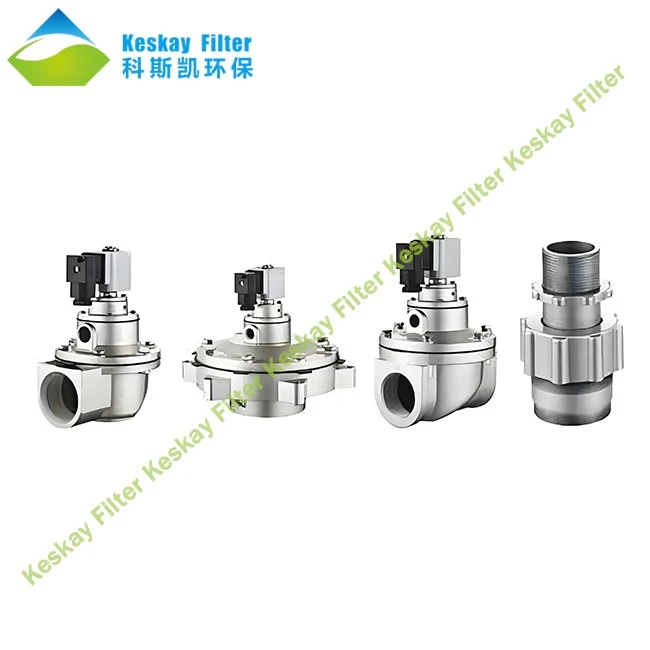
Handling During Storage
Avoid Rough Handling
Even when the valves are in storage, you need to handle them with care. Rough handling can cause internal damage to the valves, such as bent stems or misaligned components. When moving the valves from one place to another, lift them gently and avoid dropping or banging them.
Keep Them Upright
It's a good idea to store pulse valves in an upright position. This helps to prevent any internal components from shifting or getting damaged. If you need to stack the valves, make sure they're stacked evenly and that the weight is distributed properly.
Inspection and Maintenance During Storage
Regular Checks
Don't just store the pulse valves and forget about them. It's important to conduct regular inspections. Check for any signs of damage, such as rust, cracks, or leaks. If you notice any issues, address them right away. You can also perform simple maintenance tasks, like lubricating the moving parts if necessary.
Testing
Periodically, it's a good idea to test the pulse valves, especially if they've been in storage for a long time. You can use a Pulse Controller to test the valve's operation. This will help you ensure that the valve is still functioning properly and that it will be ready to use when you need it.
Storage of Pulse Valse Spare Parts
If you have spare parts for your pulse valves, such as diaphragms, seals, or solenoids, you need to store them properly too. These parts are often made of rubber or plastic, which can be sensitive to temperature, humidity, and light. Store them in a cool, dry place, away from direct sunlight. You can also keep them in sealed containers to protect them from dust and moisture.
Long - Term Storage
If you're planning to store the pulse valves for a long time, there are a few additional steps you can take. First, apply a light coat of corrosion - resistant oil to the metal parts to prevent rust. Make sure to clean the valves thoroughly before applying the oil. Second, label the valves and their storage containers with the date of storage and any other relevant information, such as the model number and serial number. This will help you keep track of the valves and know when they were stored.
Conclusion
Storing a pulse valve properly is essential for its longevity and performance. By following these tips on temperature, humidity, cleanliness, packaging, handling, inspection, and long - term storage, you can ensure that your pulse valves are in top - notch condition when you need them.
If you're in the market for high - quality Pulse Valve or have any questions about storage or usage, don't hesitate to reach out. We're here to help you make the most of your pulse valves and keep your operations running smoothly. Whether you're a small business or a large industrial facility, we've got the products and expertise to meet your needs. Let's start a conversation and see how we can work together!
References
- Industrial Valve Handbook: A comprehensive guide on valve storage and maintenance.
- Manufacturer's guidelines for pulse valve storage and handling.