

In the dynamic landscape of the cement industry, the efficient operation of equipment is paramount to ensuring high - quality production and cost - effective processes. One often - overlooked yet crucial component in this industry is the pulse valve. As a dedicated pulse valve supplier, I am well - versed in the diverse applications and benefits that pulse valves bring to the cement manufacturing process.
1. Dust Collection Systems in Cement Plants
Cement production generates a significant amount of dust, which is not only a nuisance but also a potential health hazard for workers and can cause environmental pollution. Dust collection systems are essential in cement plants to capture and remove these harmful particles. Pulse valves play a central role in the operation of these dust collectors.
Baghouse dust collectors are commonly used in cement plants. They consist of a series of filter bags that trap dust particles as the dirty air passes through them. Over time, the dust accumulates on the surface of the filter bags, increasing the pressure drop across the system and reducing its efficiency. This is where pulse valves come into play.
Pulse valves are used to inject short, high - pressure pulses of compressed air into the filter bags at regular intervals. These pulses cause the filter bags to expand rapidly, dislodging the accumulated dust. The dislodged dust then falls into a hopper for collection and disposal. The Pulse Valve is the key actuator in this process, precisely controlling the timing and duration of the air pulses.
A well - designed pulse valve system ensures that the filter bags are cleaned effectively, maintaining the performance of the dust collector. This, in turn, helps to keep the air quality in the plant within acceptable limits and protects the environment from dust emissions.
2. Material Conveying and Handling
In cement plants, raw materials such as limestone, clay, and gypsum need to be transported from one location to another. Pneumatic conveying systems are often used for this purpose, as they offer a clean and efficient way to move materials over long distances.
Pulse valves are used in pneumatic conveying systems to control the flow of compressed air. By regulating the air pressure and flow rate, pulse valves can ensure that the materials are conveyed smoothly and without blockages. For example, in a dense - phase pneumatic conveying system, the pulse valve can be used to create intermittent air pulses that break up the material slug and prevent it from sticking to the walls of the conveying pipe.
The use of pulse valves in material conveying also helps to reduce energy consumption. By providing just the right amount of air at the right time, the system can operate more efficiently, saving on energy costs. Moreover, the precise control offered by pulse valves minimizes wear and tear on the conveying equipment, extending its service life.
3. Silo Aeration
Silos are used to store cement and other powders in cement plants. Over time, these powders can become compacted, especially in the lower parts of the silo, which can lead to flow problems when discharging the material. Pulse valves are used in silo aeration systems to prevent powder compaction and ensure smooth material flow.
Silo aeration systems typically consist of air pads or nozzles installed on the walls of the silo. Pulse valves are connected to these air pads and are used to inject short bursts of compressed air into the powder. The air loosens the powder, reducing its internal friction and allowing it to flow more freely.
The Pulse Controller can be used in conjunction with the pulse valves to precisely control the aeration process. By adjusting the frequency and duration of the air pulses, the controller can optimize the aeration based on the type of powder and the conditions inside the silo. This helps to prevent material bridging and ratholing, which are common flow problems in silos.
4. Quality Control in Cement Production
In cement production, maintaining consistent product quality is of utmost importance. Pulse valves can contribute to quality control in several ways.
In the kiln system, where raw materials are heated to high temperatures to produce clinker, proper air distribution is crucial for efficient combustion and uniform heating. Pulse valves can be used to control the air flow into the kiln, ensuring that the combustion process is stable and that the clinker is produced with the desired chemical composition.
In the grinding process, where the clinker is ground into fine cement powder, pulse valves can be used to control the flow of air in the mill. This helps to maintain the proper temperature and humidity inside the mill, which affects the fineness and quality of the cement powder.

5. Advantages of Our Pulse Valves for the Cement Industry
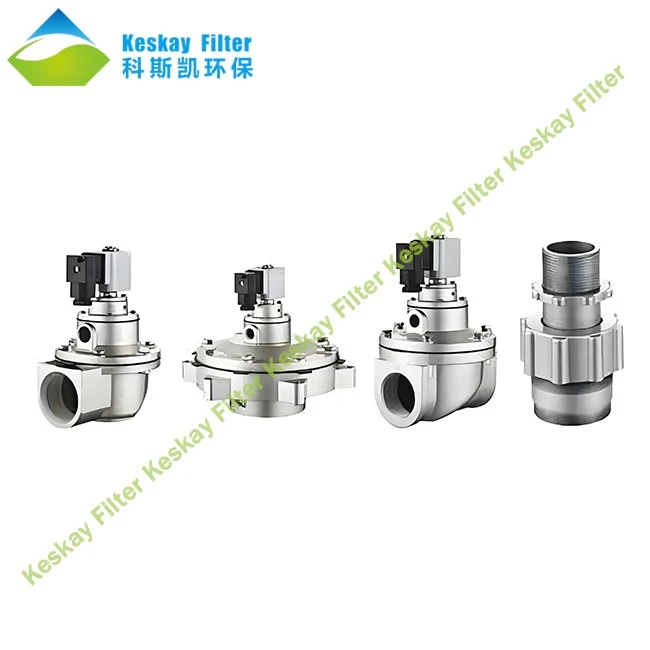
As a pulse valve supplier, we offer a range of high - quality pulse valves that are specifically designed for the demanding conditions of the cement industry.
Our pulse valves are made from durable materials that can withstand high temperatures, abrasion, and corrosion. This ensures a long service life and reduces the need for frequent replacements. They also have a high flow capacity, which means that they can deliver a large volume of compressed air in a short time, making them ideal for applications such as dust collection and material conveying.
In addition, our pulse valves are highly reliable. They are designed with precision engineering to ensure consistent performance, even in harsh environments. We also offer a comprehensive range of Pulse Valse Spare Parts to minimize downtime in case of any maintenance or repair needs.
6. Contact Us for Your Pulse Valve Needs
If you are in the cement industry and are looking for a reliable pulse valve solution, we are here to help. Our team of experts has extensive experience in providing pulse valve systems for cement plants. We can work with you to understand your specific requirements and recommend the most suitable pulse valves and related accessories for your application.
Whether you need to upgrade your existing dust collection system, improve your material conveying process, or enhance the performance of your silo aeration system, our pulse valves can make a significant difference. Contact us today to start a discussion about your pulse valve needs and explore how we can help you optimize your cement production processes.
References
- Perry, R. H., & Green, D. W. (Eds.). (2008). Perry's Chemical Engineers' Handbook. McGraw - Hill.
- Cement Industry Handbook. (2015). World Cement Association.