

As a supplier of Acrylic Filter Bags, I've witnessed firsthand the diverse industrial environments where these filter bags operate. One crucial aspect that significantly impacts their performance is the presence of alkaline gases. In this blog, I'll delve into the effects of alkaline gases on acrylic filter bags, exploring both the challenges and potential solutions.
Understanding Acrylic Filter Bags
Acrylic filter bags are widely used in various dust collection systems due to their excellent chemical resistance, high-temperature stability, and good mechanical strength. They are commonly employed in industries such as cement, steel, power generation, and waste incineration, where efficient particulate matter removal is essential for environmental compliance and equipment protection.
The acrylic fibers used in these filter bags are known for their ability to withstand harsh operating conditions, including high temperatures and corrosive chemicals. However, when exposed to alkaline gases, the performance of acrylic filter bags can be compromised, leading to reduced filtration efficiency and shortened service life.
Effects of Alkaline Gases on Acrylic Filter Bags
Chemical Degradation
Alkaline gases, such as ammonia (NH₃), sodium hydroxide (NaOH), and potassium hydroxide (KOH), can react with the acrylic fibers in the filter bags, causing chemical degradation. This reaction typically involves the hydrolysis of the acrylic polymer chains, breaking them down into smaller fragments. As a result, the mechanical properties of the filter bags, such as tensile strength and tear resistance, are significantly reduced.
Over time, the chemical degradation can lead to the formation of holes and cracks in the filter bags, allowing dust particles to pass through and reducing the overall filtration efficiency. In severe cases, the filter bags may even disintegrate, requiring immediate replacement.
Surface Erosion
In addition to chemical degradation, alkaline gases can also cause surface erosion of the acrylic filter bags. The high pH environment created by the alkaline gases can dissolve the surface layer of the fibers, exposing the underlying structure. This surface erosion not only weakens the filter bags but also increases the roughness of the surface, making it more difficult for dust particles to be released during the cleaning process.
As a result, the dust cake on the surface of the filter bags becomes more compact and difficult to remove, leading to increased pressure drop across the filter bags. This increased pressure drop can reduce the airflow through the dust collection system, affecting its overall performance and energy efficiency.
Reduced Filtration Efficiency
The chemical degradation and surface erosion of the acrylic filter bags can ultimately lead to a significant reduction in filtration efficiency. As the filter bags become weaker and more porous, they are less able to capture and retain dust particles, allowing them to escape into the environment. This can result in increased emissions of particulate matter, which can have serious environmental and health implications.
Moreover, the reduced filtration efficiency can also lead to increased wear and tear on downstream equipment, such as fans and ducts, due to the presence of larger dust particles. This can increase maintenance costs and downtime, affecting the overall productivity of the industrial process.
Mitigating the Effects of Alkaline Gases
Material Selection
One of the most effective ways to mitigate the effects of alkaline gases on acrylic filter bags is to select the appropriate material. While acrylic filter bags are generally resistant to many chemicals, they may not be suitable for applications where high concentrations of alkaline gases are present. In such cases, alternative filter bag materials, such as Antistatic Filter Bag, PPS And PTFE Filter Bag, or Ceramic Filter Bag, may be more appropriate.
These alternative materials offer better chemical resistance to alkaline gases and can withstand higher temperatures and more corrosive environments. However, they may also be more expensive than acrylic filter bags, so it's important to carefully evaluate the specific requirements of the application before making a decision.
Surface Treatment
Another approach to mitigating the effects of alkaline gases on acrylic filter bags is to apply a surface treatment to the filter bags. This treatment can help to protect the acrylic fibers from chemical degradation and surface erosion by creating a barrier between the fibers and the alkaline gases.
There are several types of surface treatments available, including coating the filter bags with a protective polymer or applying a chemical treatment to modify the surface properties of the fibers. These treatments can improve the chemical resistance and durability of the filter bags, extending their service life and reducing the frequency of replacement.
Process Optimization
In addition to material selection and surface treatment, process optimization can also play a crucial role in mitigating the effects of alkaline gases on acrylic filter bags. This may involve adjusting the operating conditions of the dust collection system, such as the temperature, humidity, and gas flow rate, to minimize the exposure of the filter bags to alkaline gases.

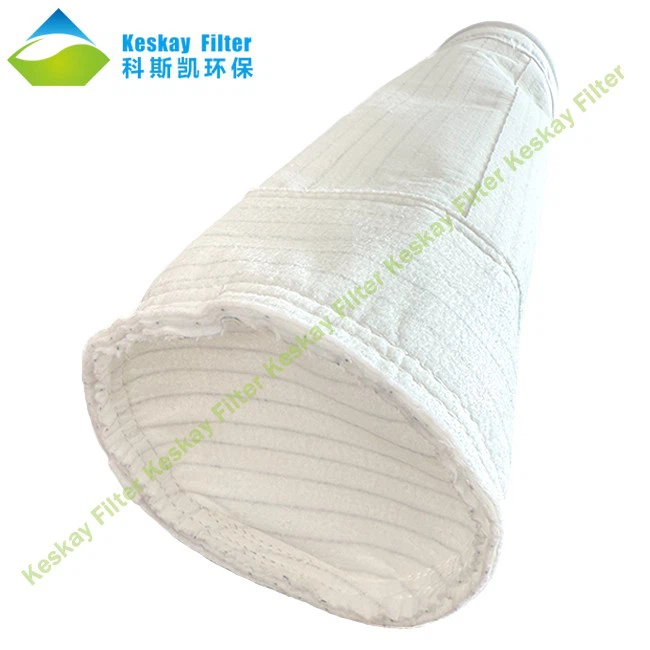
For example, reducing the temperature of the gas stream can slow down the chemical reaction between the alkaline gases and the acrylic fibers, reducing the rate of chemical degradation. Similarly, increasing the humidity of the gas stream can help to neutralize the alkaline gases, reducing their corrosive effects on the filter bags.
Conclusion
In conclusion, the presence of alkaline gases can have a significant impact on the performance and service life of acrylic filter bags. Chemical degradation, surface erosion, and reduced filtration efficiency are some of the common problems associated with the exposure of acrylic filter bags to alkaline gases. However, by selecting the appropriate material, applying a surface treatment, and optimizing the process conditions, these effects can be mitigated, ensuring the efficient and reliable operation of the dust collection system.
If you're facing challenges with the performance of your filter bags in an alkaline gas environment, I encourage you to reach out to us. As a leading supplier of Acrylic Filter Bags, we have the expertise and experience to help you find the best solution for your specific application. Contact us today to discuss your requirements and explore how we can assist you in improving the performance and longevity of your dust collection system.
References
- "Filter Bag Materials and Their Applications in Dust Collection Systems." Industrial Filtration Handbook, edited by Peter A. Schweitzer. McGraw-Hill, 2019.
- "The Effects of Chemical Exposure on Filter Bag Performance." Journal of Hazardous Materials, vol. 250-251, 2013, pp. 221-228.
- "Surface Treatment of Filter Bags for Improved Chemical Resistance." Filtration & Separation, vol. 52, no. 6, 2015, pp. 38-42.