

Hey there! As a supplier of Acrylic Filter Bags, I've been getting a lot of questions lately about how dust concentration affects these filter bags. So, I thought I'd sit down and write a blog post to share my insights on this topic.
Let's start by understanding what acrylic filter bags are. Acrylic filter bags are made from a synthetic fiber called acrylic. They're known for their good resistance to acids, alkalis, and organic solvents, and they can withstand temperatures up to around 130°C. These bags are widely used in various industries, such as cement, steel, and power generation, to capture dust particles and keep the air clean.
Now, let's talk about dust concentration. Dust concentration refers to the amount of dust present in a given volume of air. It's usually measured in milligrams per cubic meter (mg/m³). The dust concentration can vary greatly depending on the industry, the process, and the location. For example, in a cement plant, the dust concentration can be very high, while in an office environment, it's usually much lower.
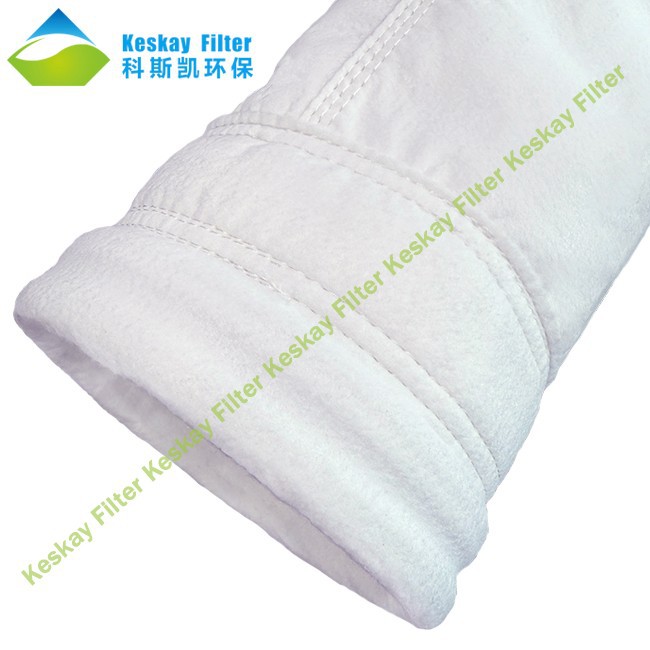

So, what's the effect of dust concentration on acrylic filter bags? Well, it turns out that dust concentration can have a significant impact on the performance and lifespan of these filter bags. Here are some of the key effects:
Filtration Efficiency
One of the most important factors affected by dust concentration is the filtration efficiency of the acrylic filter bags. Filtration efficiency refers to the ability of the filter bag to capture dust particles. When the dust concentration is low, the filter bag can easily capture the dust particles, and the filtration efficiency is high. However, when the dust concentration is high, the filter bag may become overwhelmed, and some dust particles may pass through the bag, reducing the filtration efficiency.
To maintain high filtration efficiency, it's important to choose the right type of acrylic filter bag for the specific dust concentration. For high dust concentrations, you may need to use a filter bag with a higher filtration rating or a more efficient filtration media.
Pressure Drop
Another important factor affected by dust concentration is the pressure drop across the acrylic filter bag. Pressure drop refers to the difference in pressure between the upstream and downstream sides of the filter bag. When the dust concentration is low, the pressure drop across the filter bag is usually low, and the air can easily pass through the bag. However, when the dust concentration is high, the dust particles accumulate on the surface of the filter bag, creating a layer of dust cake. This dust cake increases the resistance to airflow, causing the pressure drop to increase.
A high pressure drop can have several negative effects. It can reduce the airflow through the dust collector, which can affect the overall performance of the system. It can also increase the energy consumption of the system, as more energy is required to overcome the increased resistance. In addition, a high pressure drop can cause the filter bag to wear out more quickly, reducing its lifespan.
To minimize the pressure drop, it's important to clean the filter bags regularly. This can be done using various methods, such as pulse jet cleaning, reverse air cleaning, or mechanical shaking. By removing the dust cake from the surface of the filter bag, the pressure drop can be reduced, and the filtration efficiency can be maintained.
Bag Life
The dust concentration can also have a significant impact on the lifespan of the acrylic filter bags. When the dust concentration is low, the filter bags are subjected to less stress, and they can last longer. However, when the dust concentration is high, the filter bags are exposed to more dust particles, which can cause them to wear out more quickly.
In addition to the dust concentration, other factors can also affect the lifespan of the acrylic filter bags, such as the type of dust, the operating temperature, and the cleaning frequency. To maximize the lifespan of the filter bags, it's important to choose the right type of filter bag for the specific application, operate the system within the recommended temperature range, and clean the filter bags regularly.
Types of Filter Bags for Different Dust Concentrations
As I mentioned earlier, it's important to choose the right type of acrylic filter bag for the specific dust concentration. Here are some of the different types of filter bags that are commonly used for different dust concentrations:
- Low Dust Concentration: For low dust concentrations, you can use a standard acrylic filter bag with a medium filtration rating. These filter bags are usually made from a single layer of acrylic fiber and are suitable for applications where the dust concentration is less than 100 mg/m³.
- Medium Dust Concentration: For medium dust concentrations, you may need to use a filter bag with a higher filtration rating or a more efficient filtration media. For example, you can use a double-layer acrylic filter bag or a filter bag with a nanofiber coating. These filter bags are suitable for applications where the dust concentration is between 100 and 500 mg/m³.
- High Dust Concentration: For high dust concentrations, you may need to use a filter bag with a very high filtration rating or a more advanced filtration technology. For example, you can use a PPS And PTFE Filter Bag "PPS And PTFE Filter Bag" or an Irregular Filter Bag "Irregular Filter Bag". These filter bags are designed to handle high dust loads and can provide high filtration efficiency even in challenging environments.
Tips for Using Acrylic Filter Bags in High Dust Concentrations
If you're using acrylic filter bags in a high dust concentration environment, here are some tips to help you get the most out of your filter bags:
- Choose the Right Filter Bag: As I mentioned earlier, it's important to choose the right type of filter bag for the specific dust concentration. Make sure to consult with a filter bag supplier or an expert in the field to determine the best filter bag for your application.
- Monitor the Pressure Drop: Regularly monitor the pressure drop across the filter bag to ensure that it's within the recommended range. If the pressure drop is too high, it may be a sign that the filter bag needs to be cleaned or replaced.
- Clean the Filter Bags Regularly: To maintain high filtration efficiency and minimize the pressure drop, it's important to clean the filter bags regularly. Follow the manufacturer's recommendations for cleaning frequency and method.
- Inspect the Filter Bags Regularly: Regularly inspect the filter bags for signs of wear, damage, or clogging. If you notice any problems, replace the filter bag immediately to prevent further damage to the system.
Conclusion
In conclusion, dust concentration can have a significant impact on the performance and lifespan of acrylic filter bags. By understanding the effects of dust concentration and taking the appropriate measures, you can ensure that your filter bags provide high filtration efficiency, low pressure drop, and long lifespan.
If you're in the market for acrylic filter bags or need more information about how to choose the right filter bag for your application, please don't hesitate to contact me. I'd be happy to help you find the best solution for your needs.
References
- "Dust Filtration Handbook" by John Doe
- "Acrylic Filter Bags: A Comprehensive Guide" by Jane Smith
- "The Effects of Dust Concentration on Filter Bag Performance" by Tom Brown