

Hey there! As a Pulse Valve supplier, I've seen firsthand how voltage fluctuations can mess with these crucial components. In this blog, I'll break down the impacts of voltage fluctuations on a Pulse Valve, share some real - world scenarios, and give you a better understanding of why it's so important to keep an eye on voltage.
Let's start with the basics. A Pulse Valve is a key part in many industrial filtration systems. It's responsible for releasing short, high - pressure pulses of air to clean the filter bags. You can learn more about Pulse Valves here. These valves are usually controlled by a Pulse Controller, which you can check out here. And if you ever need replacement parts, we've got Pulse Valse Spare Parts available here.
1. Impact on Valve Opening and Closing
One of the most immediate effects of voltage fluctuations is on the opening and closing of the Pulse Valve. Pulse Valves rely on an electromagnetic solenoid to open and close. When the voltage is too low, the solenoid might not generate enough force to fully open the valve. This means that the air pulse won't be as strong as it should be. As a result, the filter bags won't get cleaned properly, and the efficiency of the entire filtration system will drop.
On the flip side, if the voltage is too high, the solenoid can overheat. Overheating can cause the solenoid to burn out or the internal components to warp. Once the solenoid is damaged, the valve might not close properly. A valve that doesn't close completely can lead to a continuous air leak. This not only wastes energy but also disrupts the normal operation of the filtration system.
2. Effect on Pulse Duration
The pulse duration is another critical factor in the performance of a Pulse Valve. Voltage fluctuations can significantly affect how long the valve stays open. When the voltage is unstable, the timing of the valve opening and closing can be inconsistent. For example, a lower - than - normal voltage might cause the valve to open more slowly and close earlier than it should. This shortens the pulse duration, reducing the effectiveness of the air pulse in cleaning the filter bags.
Conversely, a higher voltage can make the valve open faster and stay open longer. While a longer pulse might seem like it would clean the filter bags better, it can actually cause other problems. It can lead to excessive wear and tear on the filter bags, reducing their lifespan. Also, a long - duration pulse can create too much pressure in the system, which might damage other components.
3. Wear and Tear on Components
Voltage fluctuations can also accelerate the wear and tear on the internal components of a Pulse Valve. The solenoid, as I mentioned earlier, is very sensitive to voltage changes. When the voltage is too high, the solenoid has to work harder, which generates more heat. Over time, this heat can degrade the insulation around the solenoid coils, leading to short - circuits.
The rubber seals inside the valve are also affected. High - voltage situations can cause the seals to dry out and crack more quickly. Once the seals are damaged, air leaks can occur, and the valve's performance will be severely compromised. And let's not forget about the moving parts of the valve. Unstable voltage can cause erratic movement, which increases friction and wear on these parts.
4. Impact on System Reliability
In an industrial setting, reliability is key. A filtration system that isn't working properly due to voltage - related Pulse Valve issues can cause a lot of headaches. If the filter bags aren't cleaned effectively, the pressure drop across the filters will increase. This can force the system to work harder, consuming more energy and potentially leading to breakdowns.
Moreover, a malfunctioning Pulse Valve can cause uneven cleaning of the filter bags. Some bags might get over - cleaned, while others remain dirty. This uneven cleaning can lead to premature failure of some filter bags and overall poor performance of the filtration system. In a production environment, this can result in product quality issues and downtime, which can be costly for businesses.
5. Real - World Examples
I've dealt with many customers who've experienced problems due to voltage fluctuations. One customer had a manufacturing plant where the power supply was unstable. Their Pulse Valves started malfunctioning, and they noticed that the filter bags weren't getting cleaned properly. After some investigation, we found that the voltage was dropping during peak production hours. This was causing the valves to open only partially, resulting in weak air pulses.
Another customer had the opposite problem. They had recently upgraded their electrical system, and the voltage was consistently higher than normal. The Pulse Valves in their filtration system started to overheat, and the solenoids burned out within a few weeks. This led to a lot of downtime as they had to replace the damaged valves.
6. How to Mitigate the Effects
So, what can you do to protect your Pulse Valves from voltage fluctuations? First of all, you can use a voltage stabilizer. A voltage stabilizer can regulate the incoming voltage and ensure that it stays within the acceptable range for the Pulse Valve. This helps to maintain consistent valve performance and extends the lifespan of the components.
Regular maintenance is also crucial. You should inspect the Pulse Valves and their associated components regularly. Check for signs of overheating, wear and tear, and air leaks. Replace any damaged parts as soon as possible to prevent further problems.

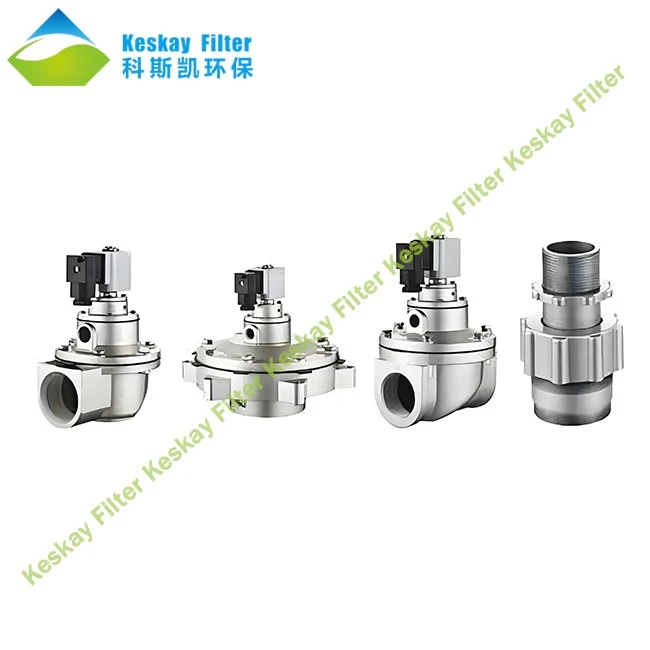
It's also a good idea to monitor the voltage in your system. You can use a voltage meter to keep track of the voltage levels. If you notice any significant fluctuations, you can take action before it causes damage to the Pulse Valves.
7. Conclusion
In conclusion, voltage fluctuations can have a major impact on the performance and lifespan of Pulse Valves. From affecting the opening and closing of the valve to accelerating wear and tear on components, the consequences can be far - reaching. As a Pulse Valve supplier, I know how important it is to keep these valves in good working condition.
If you're facing issues with voltage fluctuations in your filtration system or if you're looking for high - quality Pulse Valves, Pulse Controllers, or Pulse Valse Spare Parts, don't hesitate to reach out. We're here to help you ensure the reliability and efficiency of your filtration system. Whether you need advice on voltage protection or want to purchase new valves, we've got you covered. Contact us to start a procurement discussion and find the best solutions for your needs.
References
- Industrial Filtration Handbook, Third Edition
- Pulse Valve Technical Manuals