

Hey there! As a supplier of Pulse Valves, I often get asked about the temperature range for these nifty little devices to work properly. So, I thought I'd write this blog to share some insights on this topic.
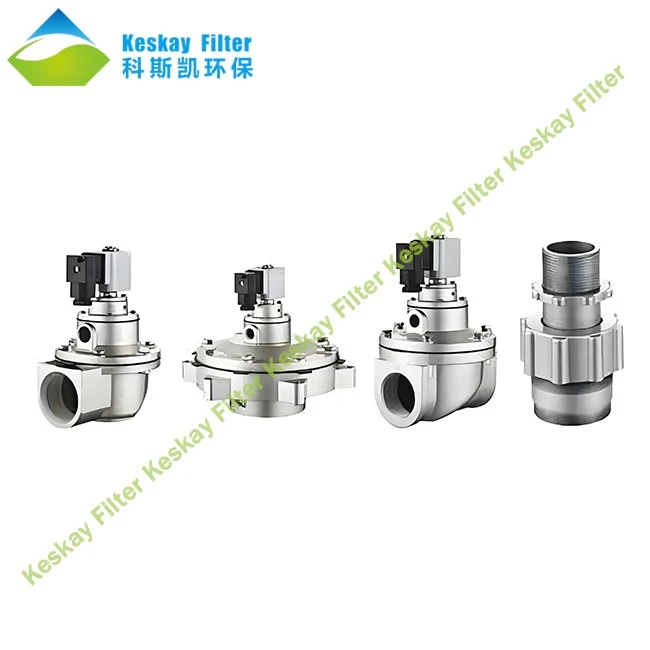
First off, let's understand what a Pulse Valve is. A Pulse Valve is a crucial component in many industrial filtration systems. It's used to control the flow of compressed air in a pulse jet cleaning system. When the valve opens, it releases a short burst of compressed air, which helps to clean the filter bags or cartridges in the dust collector. This process ensures that the filtration system operates efficiently and maintains good air quality in the industrial environment. You can learn more about Pulse Valves on our website Pulse Valve.
Now, let's dive into the temperature range. The temperature range for a Pulse Valve to work effectively depends on several factors, including the materials used in its construction, the type of application, and the specific design of the valve.
General Temperature Ranges
Most standard Pulse Valves are designed to operate within a temperature range of -20°C to 80°C (-4°F to 176°F). This range is suitable for a wide variety of industrial applications, from food processing plants to chemical manufacturing facilities.
In colder temperatures, below -20°C, the rubber components of the Pulse Valve, such as the diaphragm, can become brittle and lose their flexibility. This can lead to issues with the valve's operation, such as delayed opening or closing, or even complete failure. On the other hand, in very high temperatures, above 80°C, the rubber components can start to degrade, which can also cause problems with the valve's performance.
Specialized Pulse Valves for Extreme Temperatures
However, if you're working in an environment with extreme temperatures, don't worry! There are specialized Pulse Valves available that can handle much wider temperature ranges.
For applications in extremely cold environments, like Arctic oil rigs or high - altitude mountaintop facilities, we offer Pulse Valves that can operate at temperatures as low as -40°C (-40°F). These valves are designed with special rubber compounds and materials that can withstand the cold without losing their elasticity.
Conversely, for high - temperature applications, such as in steel mills or glass manufacturing plants, we have Pulse Valves that can handle temperatures up to 200°C (392°F). These valves are constructed with heat - resistant materials and coatings to ensure reliable operation even in the most challenging conditions. You can find more details about these specialized valves and their spare parts on our Pulse Valse Spare Parts page.
Factors Affecting Temperature Performance
It's not just the temperature itself that can affect the performance of a Pulse Valve. Other factors, such as humidity, pressure, and the presence of corrosive substances, can also play a role.
High humidity can cause moisture to accumulate inside the valve, which can lead to corrosion and damage to the internal components. In areas with high levels of corrosive substances, like chemical plants or coastal facilities, the valve's materials need to be resistant to corrosion to ensure long - term reliability.
Pressure is another important factor. The pressure of the compressed air used in the Pulse Valve system can affect its performance at different temperatures. Higher pressures can increase the stress on the valve's components, especially in extreme temperatures. That's why it's crucial to choose a Pulse Valve that is rated for the specific pressure and temperature conditions of your application.

Importance of Temperature Monitoring
To ensure the proper operation of your Pulse Valve, it's a good idea to monitor the temperature in the area where the valve is installed. This can help you detect any potential issues early on and take corrective action before they lead to a breakdown.
There are various temperature monitoring devices available on the market, from simple thermometers to more advanced digital sensors. By regularly checking the temperature, you can make sure that your Pulse Valve is operating within its recommended temperature range.
Role of the Pulse Controller
The Pulse Controller also plays an important role in the overall performance of the Pulse Valve system. The controller is responsible for sending the signals to open and close the Pulse Valve at the right time. In extreme temperature conditions, the controller needs to be able to function properly as well.
Some advanced Pulse Controllers are designed to operate in a wide temperature range and can adjust the timing and duration of the valve pulses based on the temperature and other environmental conditions. This helps to optimize the performance of the filtration system and ensure that the Pulse Valve operates efficiently.
Conclusion
In conclusion, the temperature range for a Pulse Valve to work depends on its design and the materials used. While most standard valves work well in the -20°C to 80°C range, there are specialized valves available for extreme temperatures. It's important to consider all the factors that can affect the valve's performance, such as humidity, pressure, and the presence of corrosive substances.
If you're in the market for a Pulse Valve or need to replace an existing one, make sure to choose a valve that is suitable for the temperature and environmental conditions of your application. And if you have any questions or need more information, don't hesitate to reach out to us. We're here to help you find the best solution for your filtration needs. Whether you're looking for a standard Pulse Valve or a specialized one for extreme temperatures, we've got you covered. So, let's start a conversation and see how we can work together to improve your industrial filtration system.
References
- Industrial Filtration Handbook
- Manufacturer's specifications for Pulse Valves and related components