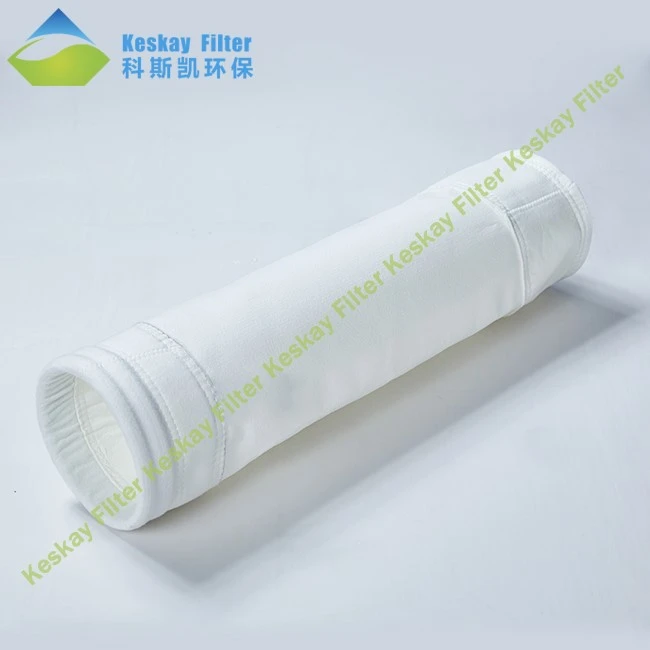
The filtering principle of filter media is mainly based on physical interception, adsorption, screening and inertial collision.
Physical interception means that the suspended particles in the water are blocked by the pores of the filter media and retained on the surface or inside of the filter media. The filter media usually has a certain pore structure. When water flows through the filter layer, the fine particles are intercepted because their size is larger than the pores.
Adsorption also plays an important role in the filtration process. The surface of the filter media has a certain adsorption capacity, which can adsorb some soluble organic matter, colloids and other impurities, so that they are intercepted with the filter media.
The screening principle is similar to the role of a sieve. Filter media of different particle sizes have pores of different sizes, which can screen particles of different particle sizes in the water, intercept larger impurities in the upper part of the filter layer, and gradually penetrate smaller impurities into the filter layer.
Inertial collision means that when the particles in the water flow have a certain inertia, when they encounter the pores or surface of the filter media, they deviate from the direction of the water flow due to inertia, thereby contacting the filter media and being intercepted.