

In the realm of industrial air pollution control, filter bags play a pivotal role in capturing particulate matter from flue gases. Among the various materials available, Polyphenylene Sulfide (PPS) and Polytetrafluoroethylene (PTFE) filter bags stand out for their exceptional performance in challenging flue gas environments. As a leading supplier of PPS and PTFE filter bags, I am excited to delve into the characteristics and performance of these two remarkable materials.
Understanding PPS Filter Bags
PPS is a high - performance thermoplastic polymer known for its excellent chemical resistance, thermal stability, and mechanical strength. PPS filter bags are fabricated from PPS fibers, which are woven or non - woven to form a porous structure capable of capturing dust particles.
Chemical Resistance
One of the key advantages of PPS filter bags is their outstanding chemical resistance. In flue gas environments containing sulfur dioxide (SO₂), nitrogen oxides (NOₓ), and other acidic gases, PPS filter bags can maintain their integrity and filtration efficiency. For example, in coal - fired power plants where large amounts of SO₂ are generated during combustion, PPS filter bags can withstand the corrosive effects of these acidic gases over an extended period. This chemical resistance ensures that the filter bags do not degrade easily, reducing the need for frequent replacements and minimizing operational costs.
Thermal Stability
PPS has a high melting point (around 285°C) and can operate continuously at temperatures up to 190°C. This thermal stability makes PPS filter bags suitable for flue gas environments with high temperatures, such as those in cement kilns or incinerators. Even under elevated temperatures, PPS filter bags retain their physical and mechanical properties, preventing the loss of filtration efficiency due to fiber shrinkage or melting. This reliability in high - temperature conditions is crucial for maintaining consistent air quality control in industrial settings.
Filtration Efficiency
PPS filter bags offer high filtration efficiency, with the ability to capture fine particulate matter down to sub - micron sizes. The porous structure of the PPS fabric provides a large surface area for dust collection, ensuring that a significant portion of the pollutants in the flue gas is trapped. This high filtration efficiency helps industries meet strict environmental regulations regarding particulate emissions, making PPS filter bags an ideal choice for air pollution control applications.
Exploring PTFE Filter Bags
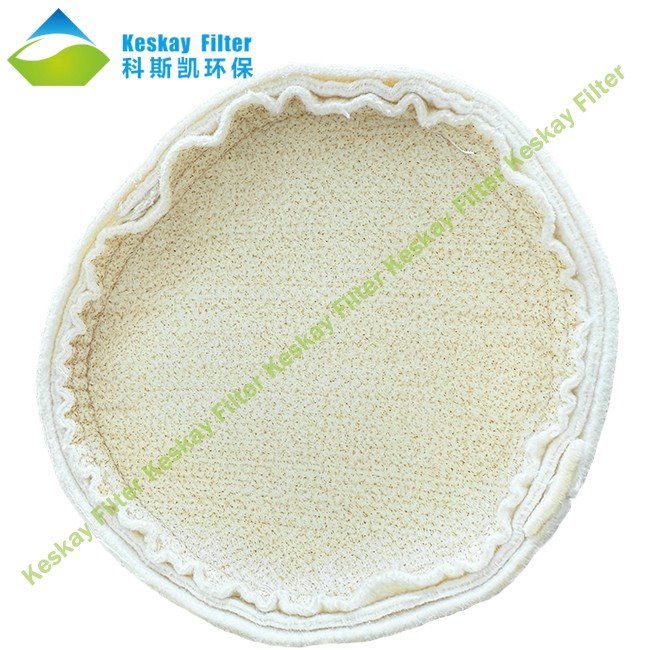
PTFE, commonly known as Teflon, is a synthetic fluoropolymer with unique properties that make it highly suitable for flue gas filtration. PTFE filter bags are typically made by coating a base fabric with a PTFE membrane or using PTFE fibers directly.

Chemical Inertness
PTFE is extremely chemically inert, meaning it is resistant to almost all chemicals, including strong acids, bases, and organic solvents. In harsh flue gas environments where aggressive chemicals are present, such as in chemical processing plants or metal smelters, PTFE filter bags offer unparalleled protection against chemical attack. This chemical inertness ensures that the filter bags remain intact and functional, even in the most corrosive conditions.
Hydrophobicity
PTFE has excellent hydrophobic properties, which prevent water and moisture from adhering to the surface of the filter bag. In flue gas environments with high humidity or where there is a risk of condensation, such as in waste incineration plants, the hydrophobic nature of PTFE filter bags is a significant advantage. It helps to prevent the formation of a wet cake on the filter surface, which can reduce filtration efficiency and increase pressure drop. By repelling moisture, PTFE filter bags maintain consistent performance and extend their service life.
Low Friction and Easy Cleaning
The low friction coefficient of PTFE makes it easy to clean the filter bags. During the pulse - jet cleaning process, which is commonly used to remove accumulated dust from filter bags, the dust particles slide off the PTFE surface more easily compared to other materials. This efficient cleaning mechanism reduces the energy consumption required for cleaning and ensures that the filter bags maintain high filtration efficiency over time.
Performance Comparison in Flue Gas Environments
Temperature Range
As mentioned earlier, PPS filter bags can operate continuously at temperatures up to 190°C, while PTFE filter bags can withstand even higher temperatures, with continuous operation possible at temperatures up to 260°C. Therefore, in flue gas environments with extremely high temperatures, such as in some high - temperature industrial furnaces, PTFE filter bags are the preferred choice. However, for most common industrial applications where the temperature is within the range of 120 - 190°C, PPS filter bags offer a cost - effective solution without sacrificing performance.
Chemical Composition of Flue Gas
The chemical composition of the flue gas is another crucial factor in determining the suitability of PPS and PTFE filter bags. In flue gas containing mainly acidic gases like SO₂ and NOₓ, PPS filter bags can provide satisfactory performance due to their chemical resistance. However, in cases where the flue gas contains highly corrosive chemicals such as hydrofluoric acid or strong oxidizing agents, PTFE filter bags are the better option because of their superior chemical inertness.
Moisture Content
When dealing with flue gas with high moisture content, PTFE filter bags have a clear advantage over PPS filter bags. The hydrophobic nature of PTFE prevents moisture - related issues such as dust caking and filter blockage, ensuring continuous and efficient filtration. PPS filter bags may experience reduced performance in high - moisture environments, as moisture can cause the dust to stick to the fibers, increasing the pressure drop across the filter.
Other Related Filter Bags
In addition to PPS and PTFE filter bags, our company also offers a wide range of other filter bags to meet different industrial needs. For example, the Polyester Needle Felt Filter Bag is a cost - effective option for mild flue gas environments with relatively low temperatures and less aggressive chemicals. It offers good filtration efficiency and is widely used in general industrial applications.
The Antistatic Composited Needle Felt Filter Bag is designed for applications where there is a risk of electrostatic discharge, such as in the handling of combustible dust. It combines the filtration performance of needle felt with antistatic properties to ensure safe and efficient operation.
The Aramid Filter Bag is known for its high - strength and heat - resistant properties. It can be used in flue gas environments with moderate to high temperatures and is suitable for applications in industries such as iron and steel manufacturing.
Conclusion and Call to Action
In conclusion, both PPS and PTFE filter bags have their unique advantages and are well - suited for different flue gas environments. PPS filter bags offer good chemical resistance and thermal stability at a relatively lower cost, making them a popular choice for many industrial applications. On the other hand, PTFE filter bags provide superior chemical inertness, hydrophobicity, and high - temperature resistance, making them ideal for harsh and challenging flue gas conditions.
As a professional supplier of PPS and PTFE filter bags, we are committed to providing high - quality products and customized solutions to meet your specific needs. Whether you are dealing with high - temperature flue gas, corrosive chemicals, or high - moisture environments, our team of experts can help you select the most suitable filter bags for your application.
If you are interested in learning more about our PPS and PTFE filter bags or need assistance with your air pollution control project, please feel free to contact us. We look forward to the opportunity to discuss your requirements and work together to achieve optimal air quality control.
References
- Brown, A. W., & Smith, J. K. (2018). Filter media selection for industrial air pollution control. Air Quality Journal, 25(3), 123 - 135.
- Green, C. M., & Thompson, D. R. (2019). Performance evaluation of PPS and PTFE filter bags in high - temperature flue gas environments. Journal of Environmental Engineering, 45(2), 89 - 98.
- White, L. M., & Miller, S. H. (2020). Chemical resistance of filter media in industrial flue gas applications. Chemical Engineering Science, 78, 145 - 156.