

Hey there! As a supplier of PTFE dust filter bags, I've been getting a lot of questions lately about how the fiber density of these bags affects their performance. So, I thought I'd sit down and write a blog post to share some insights on this topic.

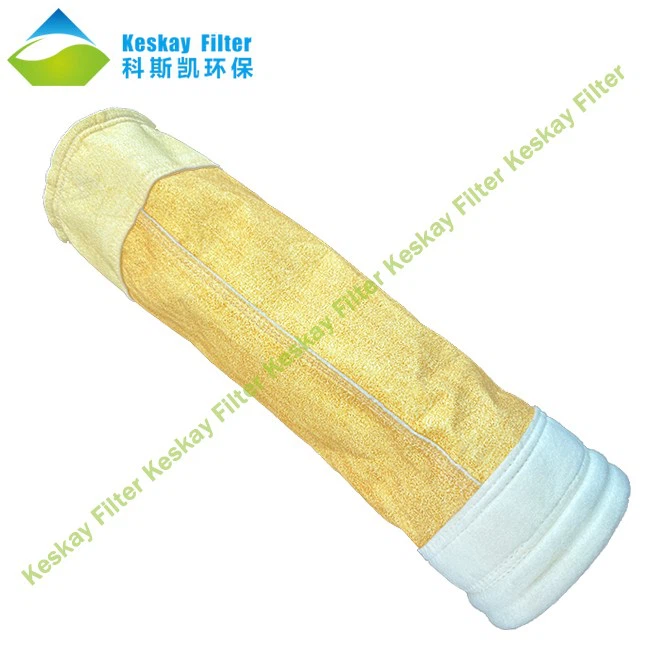
First off, let's talk about what PTFE is. PTFE, or polytetrafluoroethylene, is a synthetic fluoropolymer that's known for its excellent chemical resistance, high temperature resistance, and low friction coefficient. These properties make it an ideal material for dust filter bags, especially in industries where the dust contains corrosive chemicals or the operating temperature is high.
Now, let's get into the main topic: fiber density. Fiber density refers to the number of fibers per unit volume in the filter bag. It's an important factor that can significantly impact the performance of the filter bag.
Filtration Efficiency
One of the most important aspects of a dust filter bag is its filtration efficiency, which is the ability to capture and retain dust particles. A higher fiber density generally means more fibers are available to trap dust particles, resulting in better filtration efficiency. When the fiber density is high, the dust particles have more opportunities to collide with the fibers and get caught. This is particularly important for capturing fine dust particles, which can be more difficult to filter out.
For example, in a high - fiber - density PTFE dust filter bag, the fine dust particles are more likely to be intercepted by the fibers as they pass through the bag. This leads to a cleaner exhaust air, which is crucial for meeting environmental regulations and protecting the health of workers.
Pressure Drop
Pressure drop is another key performance indicator of a dust filter bag. It refers to the difference in pressure between the upstream and downstream sides of the filter bag. A higher fiber density can increase the pressure drop across the filter bag. This is because more fibers create more resistance to the flow of air through the bag.
When the pressure drop is too high, it can cause several problems. First, it can increase the energy consumption of the dust collection system, as the fan has to work harder to push the air through the filter bag. Second, it can reduce the lifespan of the filter bag, as the high pressure can cause the fibers to break or the bag to rupture.
Therefore, it's important to find a balance between fiber density and pressure drop. A good PTFE dust filter bag supplier should be able to provide bags with an optimal fiber density that offers high filtration efficiency while keeping the pressure drop within an acceptable range.
Dust Cake Formation and Cleaning
Dust cake formation is an important part of the filtration process. As dust particles are captured by the filter bag, they accumulate on the surface of the bag, forming a dust cake. The dust cake itself can act as an additional filter, further improving the filtration efficiency.
The fiber density of the PTFE dust filter bag can affect the formation and cleaning of the dust cake. A higher fiber density can lead to a more compact dust cake, which can be more difficult to clean. On the other hand, a lower fiber density may result in a less - compact dust cake that is easier to remove during the cleaning process.
However, if the fiber density is too low, the dust cake may not form properly, and the filtration efficiency may be compromised. So, again, finding the right fiber density is crucial for ensuring proper dust cake formation and easy cleaning.
Bag Strength and Durability
The fiber density also has an impact on the strength and durability of the PTFE dust filter bag. A higher fiber density generally means a stronger and more durable bag. More fibers provide more support and reinforcement, making the bag less likely to tear or break under normal operating conditions.
In industries where the dust collection system is subject to high - speed airflow or mechanical stress, a high - fiber - density PTFE dust filter bag can withstand the harsh environment better. For example, in a cement plant, where the dust collection system operates continuously and is exposed to abrasive dust particles, a high - fiber - density PTFE bag can last longer and require less frequent replacement.
Comparison with Other Filter Bags
It's interesting to compare PTFE dust filter bags with other types of filter bags, such as Acrylic Filter Bag, Easy Clean Needle Felt Filter Bag, and Antistatic Composited Needle Felt Filter Bag.
Acrylic filter bags are known for their good resistance to acids and alkalis, but they may not have the same high - temperature resistance as PTFE bags. In terms of fiber density, the optimal fiber density for acrylic bags may be different from that of PTFE bags, depending on the specific application.
Easy Clean Needle Felt Filter Bags are designed to be easily cleaned, but their filtration efficiency and durability may be affected by the fiber density. A well - designed PTFE dust filter bag with an appropriate fiber density can offer a good balance between easy cleaning and high performance.
Antistatic Composited Needle Felt Filter Bags are used in environments where there is a risk of static electricity. PTFE dust filter bags can also be designed with antistatic properties, and the fiber density can play a role in enhancing these properties.
Finding the Optimal Fiber Density
So, how do you find the optimal fiber density for your PTFE dust filter bag? It depends on several factors, including the type of dust, the operating temperature, the airflow rate, and the cleaning method.
For example, if you are dealing with fine and sticky dust, a higher fiber density may be required to ensure good filtration efficiency. However, if the airflow rate is high, you may need to choose a lower fiber density to keep the pressure drop under control.
As a PTFE dust filter bag supplier, we have the expertise and experience to help you select the right fiber density for your specific application. We can analyze your dust characteristics, operating conditions, and performance requirements to recommend the most suitable PTFE dust filter bag.
Conclusion
In conclusion, the fiber density of a PTFE dust filter bag has a significant impact on its performance, including filtration efficiency, pressure drop, dust cake formation and cleaning, and bag strength and durability. Finding the optimal fiber density is crucial for achieving the best performance and cost - effectiveness in your dust collection system.
If you're in the market for high - quality PTFE dust filter bags or have any questions about fiber density and its impact on performance, don't hesitate to reach out to us. We're here to help you make the right choice for your dust collection needs.
References
- Brown, R. C. (2000). Air Filtration: An Integrated Approach to the Theory and Application of Fibrous Filters. Pergamon.
- Hinds, W. C. (1999). Aerosol Technology: Properties, Behavior, and Measurement of Airborne Particles. Wiley - Interscience.