

Humidity is an environmental factor that can significantly impact various industrial processes and the performance of equipment. As a supplier of Acrylic Filter Bags, I've witnessed firsthand how humidity fluctuations can affect the functionality and longevity of these essential filtration components. In this blog, I'll delve into the science behind these effects and offer insights for optimizing the performance of acrylic filter bags in diverse humidity conditions.
How Humidity Affects Acrylic Filter Bags
Firstly, it's important to understand the basic properties of acrylic filter bags. Acrylic fibers are known for their good chemical resistance, moderate temperature tolerance, and excellent filtration efficiency. However, humidity can introduce several challenges that may compromise these advantages.
1. Moisture Absorption
Acrylic fibers are somewhat hygroscopic, meaning they can absorb and retain moisture from the surrounding air. As humidity levels rise, the filter bags absorb more water. This absorption can lead to an increase in the weight of the filter bags, which may cause additional stress on the support structure within the dust collector. Over time, this extra stress can lead to mechanical failures such as bag sagging or even tearing, reducing the overall effectiveness of the filtration system.
2. Dust Caking
One of the most significant issues caused by high humidity is dust caking on the surface of the filter bags. When moisture-laden air passes through the filter, the water vapor can cause the dust particles to stick together and form a hard, dense layer on the bag. This caked dust layer restricts the airflow through the filter, increasing the pressure drop across the bag. As a result, the dust collector has to work harder to maintain the desired airflow, leading to higher energy consumption and potentially shorter filter bag life.
3. Microbiological Growth
High humidity provides an ideal environment for the growth of microorganisms such as bacteria and fungi. These microbes can colonize the surface of the acrylic filter bags, causing odor problems and potentially degrading the filter media. Microbiological growth can also lead to the production of biofilms, which further impede airflow and reduce filtration efficiency. In addition, some microorganisms may produce enzymes that can break down the acrylic fibers, weakening the structure of the filter bag and shortening its lifespan.
4. Electrostatic Effects
Humidity can also influence the electrostatic properties of acrylic filter bags. In dry conditions, static electricity can build up on the surface of the filter bags, causing dust particles to adhere more strongly to the fibers. However, in high humidity environments, the moisture can act as a conductor, dissipating the static charge. While this may reduce the electrostatic attraction between the dust and the filter, it can also lead to other issues. For example, the lack of static charge may cause the dust to be more easily re-entrained into the airflow, reducing the overall collection efficiency of the filter.
Strategies to Mitigate the Effects of Humidity
As a supplier of Acrylic Filter Bags, I understand the importance of helping our customers overcome the challenges posed by humidity fluctuations. Here are some strategies that can be employed to mitigate the effects of humidity on acrylic filter bags:
1. Pre - treatment of the Gas Stream
One effective way to reduce the impact of humidity is to pre - treat the gas stream before it enters the dust collector. This can involve using a heater to raise the temperature of the gas, reducing its relative humidity. Alternatively, a dryer can be used to remove moisture from the gas. By controlling the humidity of the incoming gas, the risk of dust caking and microbiological growth on the filter bags can be significantly reduced.

2. Selection of Appropriate Filter Media
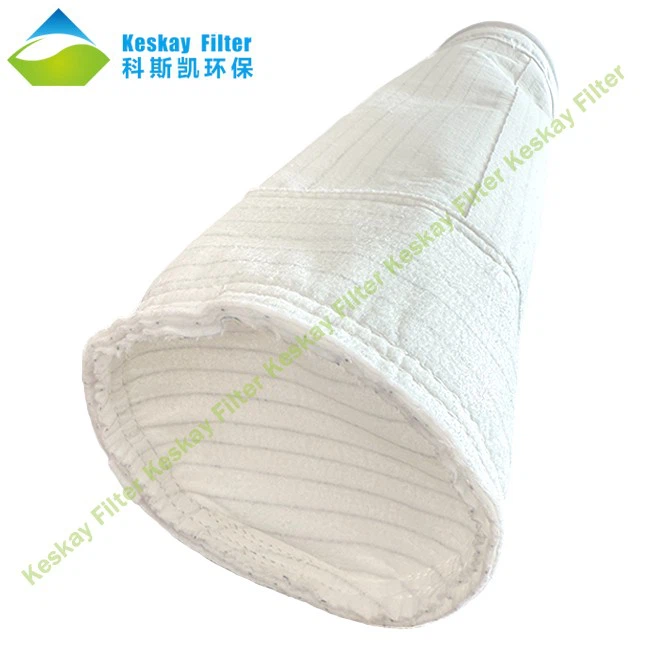
In some cases, it may be necessary to select a different filter media that is more resistant to humidity. For example, P84 Filter Bag is known for its excellent chemical and thermal resistance, as well as its low moisture absorption. Antistatic Filter Bag can also be a good option in environments where static electricity is a concern. Additionally, PPS And PTFE Filter Bag offer high chemical resistance and low moisture absorption, making them suitable for high - humidity applications.
3. Regular Maintenance and Inspection
Regular maintenance and inspection of the dust collector and filter bags are essential to ensure optimal performance in humid conditions. This includes checking for signs of dust caking, bag damage, and microbiological growth. If necessary, the filter bags should be cleaned or replaced in a timely manner. Additionally, the dust collector should be inspected for proper operation, including the integrity of the seals and the functionality of the cleaning system.
4. Use of Anti - microbial Coatings
Applying anti - microbial coatings to the surface of the acrylic filter bags can help prevent the growth of microorganisms. These coatings can inhibit the growth of bacteria and fungi, reducing the risk of biofilm formation and filter media degradation. However, it's important to ensure that the coating does not compromise the filtration efficiency or mechanical properties of the filter bag.
Conclusion
Humidity fluctuations can have a significant impact on the performance of acrylic filter bags. From moisture absorption and dust caking to microbiological growth and electrostatic effects, the challenges posed by humidity require careful consideration and proactive management. As a supplier of Acrylic Filter Bags, we are committed to providing our customers with high - quality products and technical support to help them overcome these challenges.
If you are facing issues with humidity affecting your filtration system or are interested in learning more about our Acrylic Filter Bags and other filtration solutions, we encourage you to contact us for a consultation. Our team of experts is ready to assist you in selecting the most appropriate filter media and developing a customized solution for your specific application.
References
- Brown, R. C. (2017). Air Filtration: An Integrated Approach to the Theory and Application of Fibrous Filters. Elsevier.
- Hinds, W. C. (1999). Aerosol Technology: Properties, Behavior, and Measurement of Airborne Particles. Wiley.
- Liu, B. Y. H., & Rubow, K. L. (2003). Filtration of Aerosols. Marcel Dekker.