

What is the vibration situation of a pulse valve during operation?
As a supplier of pulse valves, I've witnessed firsthand the critical role these components play in various industrial applications. Pulse valves are essential in dust collection systems, where they control the release of compressed air to clean filter bags or cartridges. Understanding the vibration situation of a pulse valve during operation is crucial for ensuring its proper functioning, longevity, and the overall efficiency of the dust collection system.
The Basics of Pulse Valve Operation
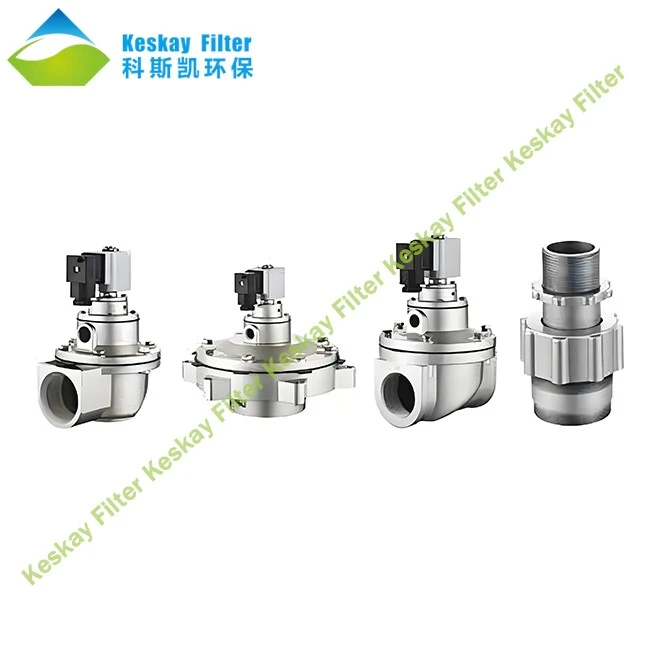
Before delving into the vibration aspects, let's briefly review how a pulse valve works. A pulse valve is typically installed in a dust collector and is connected to a compressed air source. When a signal is sent from a Pulse Controller, the valve opens rapidly, allowing a short burst of compressed air to flow into the filter bags or cartridges. This sudden release of air creates a shockwave that dislodges the accumulated dust, which then falls into the hopper for removal.
Sources of Vibration in Pulse Valves
There are several factors that can contribute to the vibration of a pulse valve during operation. These include:
- Air Flow and Pressure Changes: When the valve opens, there is a sudden change in air flow and pressure. The high - velocity air rushing through the valve can cause vibrations. The magnitude of these vibrations depends on the pressure of the compressed air, the size of the valve, and the duration of the pulse. For example, a larger valve with a higher air pressure will generally experience more significant vibrations compared to a smaller valve operating at a lower pressure.
- Mechanical Movement: The internal components of the pulse valve, such as the diaphragm and the solenoid, undergo mechanical movement during operation. The diaphragm flexes rapidly to open and close the valve, while the solenoid activates the opening mechanism. These mechanical movements can generate vibrations. Over time, wear and tear on these components can also affect the vibration characteristics of the valve.
- Mounting and Installation: Improper mounting of the pulse valve can lead to increased vibrations. If the valve is not securely fastened to its mounting surface, it can vibrate more freely. Additionally, the orientation of the valve and the alignment of the air inlet and outlet can influence the vibration patterns. For instance, if the valve is installed at an angle or if there are misalignments in the piping, it can cause uneven air flow and increased vibrations.
Effects of Vibration on Pulse Valves
The vibration of a pulse valve during operation can have both positive and negative effects:
- Positive Effects: In some cases, a certain level of vibration can be beneficial. It can help to ensure that the valve opens and closes smoothly, preventing any sticking or jamming of the internal components. The vibrations can also assist in the proper distribution of the compressed air, improving the cleaning efficiency of the filter bags or cartridges.
- Negative Effects: Excessive vibration, however, can lead to a variety of problems. It can cause premature wear and tear on the valve components, such as the diaphragm, solenoid, and seals. This can result in leaks, reduced valve performance, and ultimately, valve failure. Vibration can also cause loosening of the mounting bolts, which can lead to misalignment and further exacerbate the vibration problem. In addition, high - frequency vibrations can generate noise, which can be a nuisance in the workplace and may even violate noise regulations.
Monitoring and Controlling Vibration
To ensure the proper functioning of pulse valves, it is important to monitor and control the vibration levels. Here are some methods that can be employed:
- Vibration Sensors: Installing vibration sensors on the pulse valve can provide real - time data on the vibration levels. These sensors can detect changes in vibration amplitude, frequency, and direction. By analyzing this data, operators can identify any abnormal vibration patterns and take appropriate action before a major problem occurs.
- Proper Installation and Maintenance: Ensuring that the pulse valve is installed correctly and maintained regularly is crucial. This includes using the correct mounting hardware, tightening the bolts to the recommended torque, and inspecting the valve for any signs of wear or damage. Regular maintenance can also involve lubricating the moving parts and replacing worn - out components.
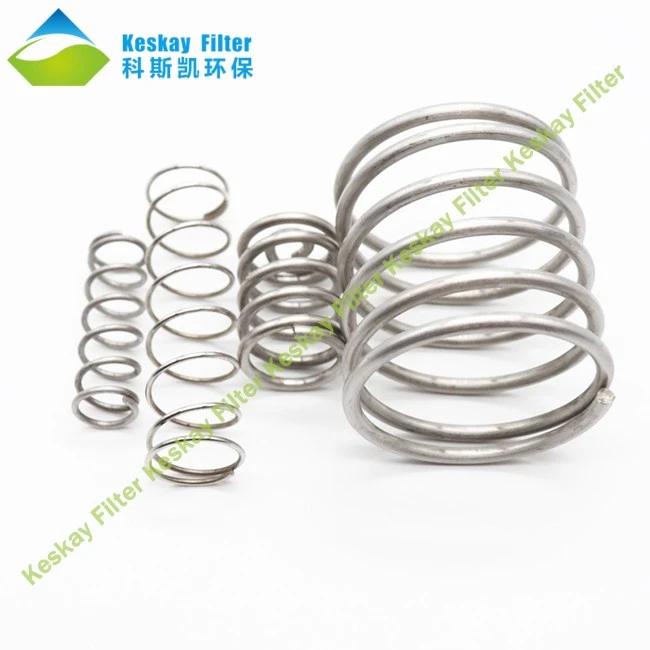
- Damping Techniques: Various damping techniques can be used to reduce the vibration levels. One common method is to use rubber gaskets or isolators between the valve and its mounting surface. These materials can absorb some of the vibration energy and reduce the transmission of vibrations to the surrounding structure. Another approach is to use internal damping mechanisms within the valve design to minimize the mechanical vibrations.
Importance of Quality Pulse Valves
As a pulse valve supplier, I understand the importance of providing high - quality products. Quality pulse valves are designed and manufactured to minimize vibrations and ensure reliable operation. They are made from high - grade materials that can withstand the rigors of continuous use and the effects of vibration. At our company, we conduct extensive testing on our pulse valves to ensure that they meet the highest standards of performance and durability.
When choosing a pulse valve, it is essential to consider the quality and reputation of the supplier. A reliable supplier will not only provide high - quality products but also offer excellent customer support and technical assistance. They can help you select the right valve for your specific application and provide guidance on installation, maintenance, and troubleshooting.
In addition to the pulse valves themselves, we also offer a range of Pulse Valse Spare Parts to ensure that your dust collection system can be kept in optimal condition. These spare parts are designed to be compatible with our pulse valves and can be easily replaced when needed.
Conclusion
In conclusion, understanding the vibration situation of a pulse valve during operation is essential for the efficient and reliable operation of dust collection systems. While some level of vibration is normal, excessive vibration can lead to a variety of problems. By monitoring and controlling the vibration levels, using proper installation and maintenance techniques, and choosing high - quality pulse valves, you can ensure the longevity and performance of your dust collection system.
If you are in the market for pulse valves or need assistance with your dust collection system, I encourage you to reach out to us. We are committed to providing the best products and services to meet your needs. Whether you have questions about our Pulse Valve offerings, need advice on installation, or require spare parts, our team of experts is here to help. Contact us today to start a discussion about your specific requirements and how we can assist you in achieving optimal performance from your dust collection system.
References
- "Industrial Dust Collection Handbook" by John Doe
- "Pulse Valve Technology and Applications" by Jane Smith
- Various industry research papers on dust collection systems and pulse valve performance.